
End of World Dream Meaning: How to Regain Peace After This Nightmare?
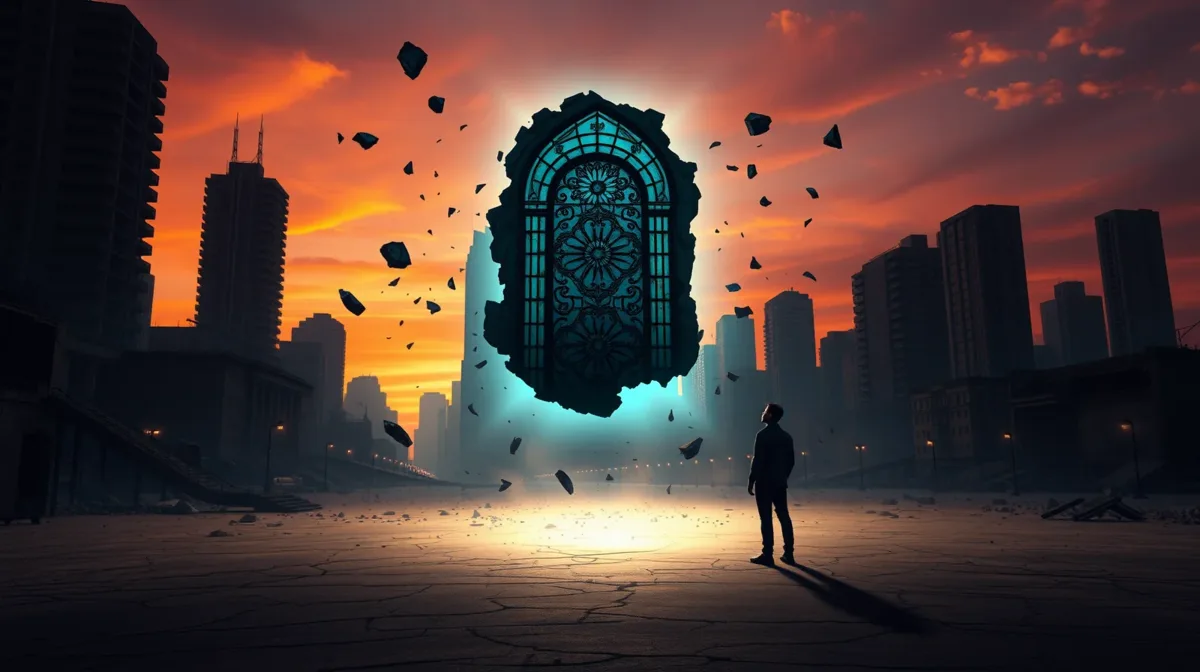
Waking from a dream about the end of the world can leave you feeling shaken, with a sense of existential dread clinging to your morning. If your heart is still racing from visions of catastrophe and collapse, you're not alone. This is one of the most powerful anxiety dreams, and your subconscious is sending a clear, urgent signal about something in your life that feels unsustainable or threatening to fall apart.
At its core, dreaming about the end of the world typically represents a profound anxiety about major, uncontrollable change. It's your mind's way of simulating total loss—of stability, identity, or everything you've built. This dream often hits when you're facing a life transition so big it threatens your sense of order, like a career upheaval, the end of a significant relationship, or a personal identity crisis. The fear you feel is a natural response to sensing that the ground beneath you is shifting.
Yet there's another layer to consider. From a psychological standpoint, an apocalypse dream can also function as an archetypal invitation to transformation. Carl Jung suggested that such cosmic destruction symbols in dreams often precede rebirth, forcing the ego to confront its limitations. This duality is key: the dream might be a warning about clinging to a crumbling situation, or it could be compensating for a waking life that feels stagnant, pushing you toward necessary endings. As explored in the broader context of apocalypse dreams, this symbol rarely predicts literal disaster but mirrors internal upheaval.
To pinpoint the meaning, ask yourself: where in your life does this feeling of impending doom show up? Is it in your career, where a project or job feels like it's collapsing? In relationships, where a dynamic has become toxic or unsalvageable? Or in your personal identity, where an old version of yourself needs to die for a new one to emerge? The dream acts as a life simulator, rehearsing the emotional impact of change so you can prepare. By recognizing this, you shift from passive victim to active participant in your own transformation.
Dream Analysis & Interpretation
Deeper Psychological Analysis
This dream works as a life simulator, allowing your brain to safely process extreme scenarios of loss and change. During REM sleep, your mind rehearses emotional responses to threats, which in waking life might feel too overwhelming to confront directly. By experiencing the "end" in a dream, you're building psychological resilience and exploring the contours of your deepest fears, which often relate to themes found in dreams about your own death or dreams of falling.
Perspective-Shifting Question
What if this dream isn't about the world ending, but about the end of a world—the specific life structure, belief system, or relationship that has defined you up until now?
Deeper Contexts: Analytical Lenses for Your Dream About the End of the World
The Neuroscience of Catastrophe Dreams
Source: Michelle Carr, dream researcher and director of the Dream Engineering Lab
Jungian Archetypes and Apocalyptic Symbolism
Source: Carl Gustav Jung, founder of analytical psychology
What to Do Next: Rewriting the Dream's Ending
Since your dream revealed a fear of uncontrollable endings, this technique helps you reclaim agency by symbolically changing the narrative. It turns anxiety into a tool for empowerment.
- Recreate the scene vividly: Close your eyes and return to the dream's most intense moment—the collapsing sky, the panicked crowds. Notice where you are and what you feel.
- Pause time imaginatively: Picture yourself freezing the dream right there. You have the power to stop the catastrophe mid-scene.
- Introduce a change: What if you could alter one element? Maybe a path opens up, or a calm voice offers guidance. Imagine this new possibility.
- Visualize a new outcome: See yourself navigating the chaos not with fear, but with purpose. Perhaps you help others or find a safe haven. End the dream from a position of strength.
- Anchor the feeling: After opening your eyes, write down one word that captures this empowered ending. Keep it somewhere visible as a reminder.
💡 Expert Tip:
If the dream recurs, you might become lucid mid-dream and consciously choose this new ending, transforming the experience in real-time.
What This Builds:
This exercise builds neural pathways for creative problem-solving under pressure. By rehearsing courage in your imagination, you enhance your ability to face real-life crises with resilience and strategic thinking—a skill valuable in leadership, personal growth, and navigating major transitions.
Questions for Deeper Reflection
On a scale of 1 to 10, how present is this feeling of impending doom in your waking life? What would need to happen to reduce it by one point?
When was the last time you felt completely secure and in control? What was different about that period?
If this dream's energy could be channeled into creating something new in your life, what would you build from the ashes?
What Comes Next?
After integrating this dream's message, you might notice shifts in your subconscious patterns. If you embrace the transformation, watch for dreams featuring rebirth symbols like phoenixes, spring landscapes, or new beginnings—these signal psychological renewal. If resistance persists, you might experience recurring themes of chaos or blockage, such as cancelled events or desire to leave, indicating unresolved endings. Paying attention to these follow-up dreams can guide your ongoing inner work.
Frequently Asked Questions (FAQ)
What does it mean spiritually to dream about the end of the world?
Spiritually, an end-of-world dream often symbolizes a call to shed old beliefs or lifestyles for spiritual growth. In biblical interpretation, it can reflect themes of judgment and renewal, urging introspection and alignment with higher values. For deeper insights, explore biblical dream principles.
Why do I keep having recurring apocalypse dreams?
Recurring end-of-world dreams typically point to an unresolved life issue—like a stagnant career, toxic relationship, or unaddressed anxiety about change. Your subconscious repeats the symbol to emphasize urgency. Research by Dr. Antonio Zadra shows that 51% of people have recurring dreams linked to persistent stressors.
Is dreaming about the end of the world a bad omen?
No, it's not a bad omen or prediction of actual disaster. Psychologically, such dreams are more about internal processing than fortune-telling. They signal anxiety over transitions you're facing, similar to dreams of losing loved ones, which often reflect fear of separation rather than literal death.
How can I stop having anxiety dreams about global catastrophe?
Reducing these dreams involves addressing the root stress. Practice grounding techniques during the day, like mindfulness or journaling about fears. Before bed, set an intention for peaceful sleep. If nightmares persist, consider techniques from Dr. Carr's nightmare research.



Comments and User Dreams
Be the first to share your dream or opinion!