
What Does It Mean When You Dream About Losing Your Car?
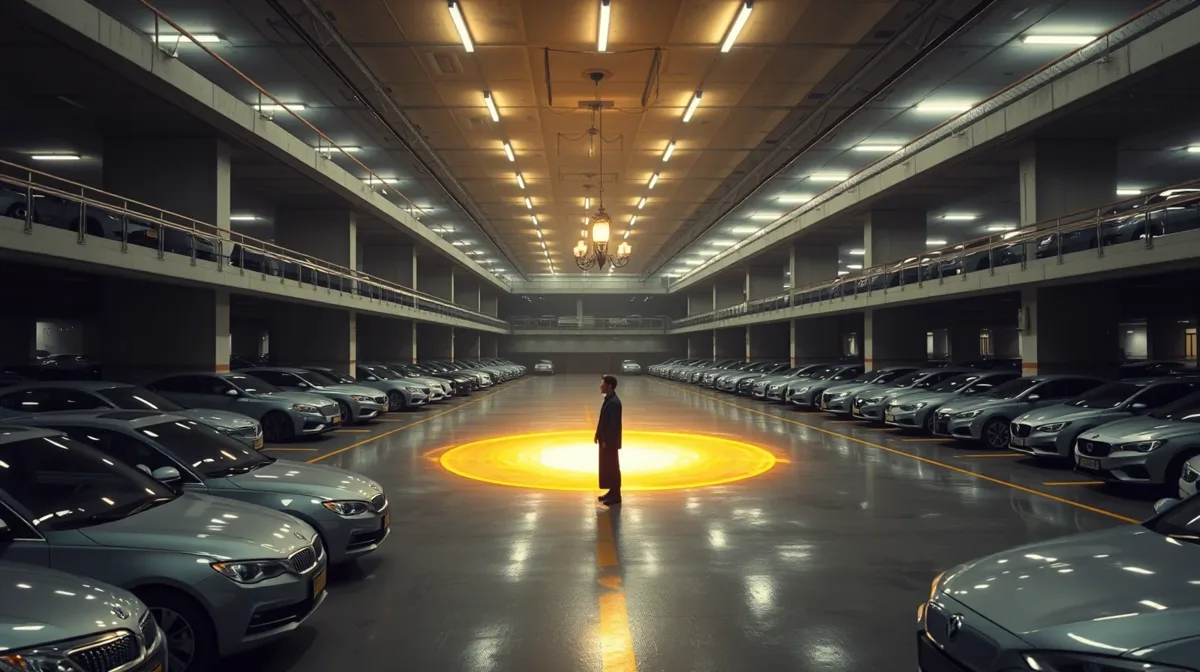
Walking in circles through a vast parking garage, retracing your steps down endless, identical aisles. The growing dread as you realize your car—your way home, your means of escape—is gone. Dreams of losing your car create a unique brand of frustration and disorientation. That feeling of being stranded isn't about transportation. It's about losing connection to a fundamental part of your identity or direction. Let's find the map.
Dreaming you've lost your car typically represents feeling disconnected from your sense of direction, purpose, or personal agency. The car symbolizes your ability to navigate life autonomously. Losing it suggests you feel untethered, unsure of how to move forward, or that you've misplaced the "key" to your own motivation and drive. This is the straightforward answer: you're experiencing a loss of wayfinding.
This dream differs from a stolen car dream, which feels like violation. Losing your car often carries more confusion than anger. It can indicate you've taken on too many roles or projects and have lost sight of your primary vehicle—your core self or main goal. In the framework of car dreams, this is about misplacement, not theft. Dream analyst Ian Wallace might relate this to periods of transition where old routines (the "parking spot") no longer apply, and you haven't yet established new ones. It's a dream of being between paths.
Connect this to your current life chapter. Where do you feel directionless? Perhaps after a job change, a move, or as family dynamics shift? The dream's emotion is your clue. Anxiety points to fear of being permanently stuck. Frustration suggests you're actively searching but can't find the right "vehicle" for your current ambitions. This dream invites you to pause and ask: What does my ideal "car"—my mode of operating in the world—look like right now? Have I parked it somewhere that no longer serves me?
Dream Analysis & Interpretation
Deeper Psychological Analysis
This dream mirrors an internal state of disorientation regarding your life's journey. Your subconscious translates the abstract feeling of "not knowing which way to go" into the concrete, frustrating experience of searching for a lost vehicle. It reflects a temporary disconnect between your conscious desires and the practical means (the "car") you believe you need to achieve them.
Creative Spark
What if losing the car isn't a problem, but an invitation to discover you can travel in ways you hadn't considered—on foot, by bike, or even by wing?
Deeper Contexts: Analytical Lenses for Your Dream About a Lost Car
Transitional Object and Identity
Source: Donald Winnicott, pediatrician and psychoanalyst
Cognitive Mapping and Anxiety
Source: G. William Domhoff, dream researcher and author of 'The Neurocognitive Theory of Dreams'
What to Do Next: Cognitive Re-Mapping
Your dream revealed a disconnect between you and your path. This technique helps you create a new internal "map" that isn't dependent on finding the old, lost vehicle.
- Accept you're in a new neighborhood: Write down: "My old car (my old way of doing ________) is lost. I am here now in ________ (describe your current emotional "location")."
- Draw a landmark, not a route: Instead of mapping a step-by-step plan, draw or describe one clear "landmark" you want to reach. Not "get a promotion," but "feel respected for my expertise." This is your destination beacon.
- Travel by noticing: For three days, your task is not to "drive" toward the landmark, but to simply notice everything around you that relates to it. What people, opportunities, or inner thoughts feel aligned with that landmark? Jot them down without action.
- Identify your current transit: What are you actually "riding" right now? Is it a bus of routine? A bicycle of small efforts? Acknowledge and name your current mode of travel, however humble.
- Request a dream taxi: Before sleep, ask your subconscious: "Show me a new vehicle or path." Keep a notebook by your bed. The next dream or waking insight might offer a surprising alternative.
💡 Expert Tip:
This works by shifting focus from frantic searching (for the lost object) to curious exploration (of the new territory), reducing anxiety and opening you to unexpected solutions.
What This Builds:
This exercise cultivates adaptive problem-solving and comfort with ambiguity. You're training your mind to navigate without a fixed plan, to set direction by values (landmarks) rather than rigid methods, and to gather intelligence from your environment—skills essential for innovation, career pivots, and navigating personal transformation.
Questions for Deeper Reflection
If your lost car could send you one clue about where it is, what would that clue be? (A sound, an object, a feeling)
On a scale of 1-10, how connected do you feel to your daily purpose or routine? What's one small thing you could do to raise that number by one point?
If you never found that specific car again, what other mode of transportation might you try, and where would it take you?
What Comes Next?
As you embrace the process of re-mapping, your dreams may reflect the shift. Successful adaptation could bring dreams of discovering a new, better vehicle, being given clear directions, or enjoying the walk itself. If resistance to the loss remains, you might dream of related searches, like looking for lost keys or being in a confusing map.
Frequently Asked Questions (FAQ)
What does it mean when you dream about losing your car?
It symbolizes feeling disconnected from your sense of direction, autonomy, or the practical means to achieve your goals. You may feel "stranded" in a life situation, unsure how to move forward independently, or like you've lost touch with a core part of your identity that propels you.
Is a lost car dream common during major life changes?
Extremely common. During transitions like moving, changing careers, becoming a parent, or after a loss, your old routines and sense of self (the "car") can feel inaccessible. The dream reflects the disorientation of being between an old, familiar way of life and a new one not yet formed.
How is losing a car different from it being stolen in a dream?
Losing a car typically involves confusion and frustration—you misplaced it. It often relates to personal disorganization or losing your way. A stolen car involves violation and anger—it was taken. It relates more to boundary crossing and feeling your agency was forcibly removed. The emotional tone is the differentiator.
What should I do if I keep dreaming I lost my car?
Treat it as a signal to conduct a "life navigation check." Journal about areas where you feel directionless. Instead of frantically searching for the "old car" (old solutions), explore what new modes of operation or thinking might be available to you now. The dream may stop when you consciously accept the need for a new map.




Comments and User Dreams
Be the first to share your dream or opinion!