
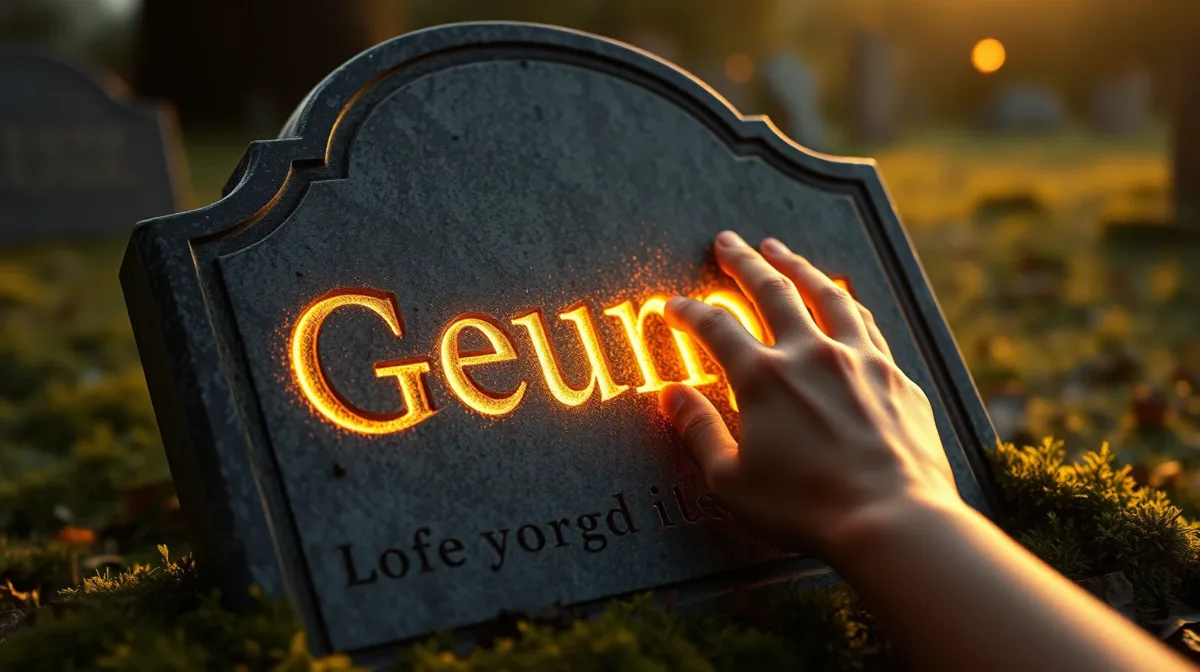
What Does It Mean When You Dream About a Tombstone?
Waking from a dream featuring a tombstone can leave you with a haunting sense of the past pressing in. If you found yourself reading an inscription or touching cold stone, your subconscious is highlighting something significant about memory or identity. This guide will help you understand the message behind this marker and how it relates to your life now.
Dreaming about a tombstone typically represents a focus on memories, legacies, or aspects of yourself that feel finalized or buried. It's a symbol that your mind is processing something from the past—perhaps a relationship, a version of yourself, or an unfulfilled hope. If you woke feeling nostalgic or unsettled, that's natural; this dream often emerges when you're reflecting on what's been lost or what you've outgrown. For many, it occurs during milestones like birthdays or anniversaries, or when facing decisions that echo past choices.
A tombstone in a dream generally signifies a psychological endpoint or a memory that holds weight. Yet there's another layer: it can also mark a new beginning, as tombstones define what came before to make space for what's next. From a Jungian perspective, this symbol connects to the archetype of the ancestor or the shadow, urging you to integrate lessons from the past. Dream analyst Ian Wallace notes that tombstone dreams frequently correlate with periods of self-assessment, where you're evaluating your life's narrative. This duality means the dream isn't just about death; it's about how you memorialize and learn from experiences, similar to patterns in dreams about the past.
Now, consider where this resonates in your life. In your career, is there an old project or role that's officially "over" but still influences you? In relationships, are you holding onto a memory that needs acknowledging before moving on? For your identity, what parts of yourself have you "buried" that might deserve recognition? Asking these questions shifts the dream from a passive image to an active tool for insight. By understanding this marker, you gain clarity on what to honor and what to release, empowering you to write the next chapter with intention.
Dream Analysis & Interpretation
Deeper Psychological Analysis
Perspective-Shifting Question
What if the tombstone isn't marking an end, but a doorway to a part of yourself waiting to be rediscovered?
Deeper Contexts: Analytical Lenses for Your Dream About a Tombstone
Jungian Archetypal Perspective
Source: Carl Gustav Jung, creator of analytical psychology
Cross-Cultural Symbolism of Memorials
Source: Joseph Campbell, mythologist and author of 'The Hero with a Thousand Faces'
What to Do Next: Memory Box
Since your dream highlighted a tombstone as a marker of memory, this technique helps you physically process what's been buried. It turns symbolic grief into tangible closure.
- Gather symbols: Find a small box and collect items that represent the memory or loss—a photo, a note, or an object that resonates.
- Write a release note: On a piece of paper, write down what this memory means to you and why you're choosing to store it now.
- Seal the box: Place the items and note in the box, then close it with tape or a ribbon as a ritual of completion.
- Choose its place: Decide where to keep the box—somewhere accessible if you need reflection, or out of sight if it's time to move on.
- Reflect weekly: For the next month, check in with yourself about how this act has shifted your feelings toward the past.
💡 Expert Tip:
This technique also works for abstract losses, like lost opportunities or old versions of yourself, by using symbolic items.
What This Builds:
This exercise builds skills in emotional closure and narrative reframing, essential for healthy transitions in relationships and careers. By creating a physical representation, you train your mind to compartmentalize and honor the past without letting it dominate the present.
Questions for Deeper Reflection
What memory or person does this tombstone most remind you of, and why might it be surfacing now?
On a scale of 1-10, how much influence does this past experience have on your current decisions? What would reduce it by one point?
If you could add one word to the tombstone's inscription to make it more empowering, what would it be?
What Comes Next?
Frequently Asked Questions (FAQ)
What does a tombstone dream mean spiritually?
Spiritually, a tombstone dream can symbolize ancestral connections, karmic lessons, or soul-level completions. In biblical interpretation, it might relate to resurrection or moral legacy, but psychological approaches focus on personal growth and memory integration.
Why did I dream about reading a name on a tombstone?
Dreaming about reading a name often highlights a specific person or aspect of yourself that needs acknowledgment. It could indicate unresolved feelings or a desire to honor that influence in your waking life.
Is a tombstone dream common during grief?
Yes, tombstone dreams are common during grief, as they provide a symbolic outlet for processing loss. They can help express sorrow or seek closure, similar to therapeutic mourning practices.
How is a tombstone dream different from a coffin dream?
A tombstone dream focuses on memory and legacy, while a coffin dream often relates to containment or the process of ending. Both deal with death symbolism but from different angles—tombstones are about what's left behind.


Comments and User Dreams
Be the first to share your dream or opinion!