
Why Do You Keep Dreaming About Flea Markets? (And What to Do About It)
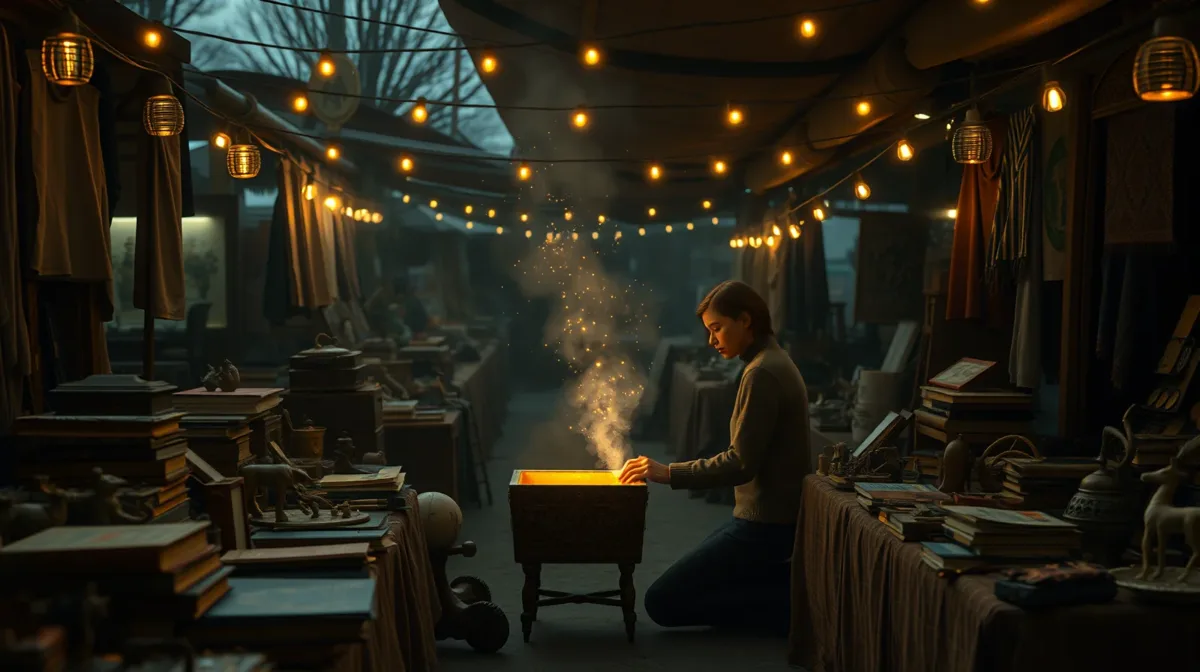
Waking from a dream set in a flea market can leave you with a pang of nostalgia or a thrill of discovery. If you found yourself sifting through old items, your subconscious is digging into the past—unearthing memories, forgotten potentials, or unresolved stories. This guide will help you understand what's being revisited and how to find value in what's been left behind.
Dreaming about a flea market often symbolizes exploration of the past, hidden potentials, or the integration of forgotten aspects of self. You're likely in a reflective phase, where old experiences or identities are resurfacing for review. It's natural to feel wistful or curious here; these emotions signal your psyche's attempt to make sense of what once was.
A flea market in a dream typically represents the attic of the mind: a space where discarded memories and talents are stored. This connects to symbols like old clothing for past roles or former connections. From a duality perspective, while flea markets can indicate treasure-hunting and rediscovery, they might also warn of clutter or attachment to what's no longer useful. Jungian analysts might view this as a shadow work dream, where you're confronting repressed parts of yourself. For instance, finding hidden jewelry could symbolize uncovered worth, while insects might point to irritations from the past. Such dreams often serve as integration, helping you reclaim lost pieces or as compensation for feelings of being stuck in history.
Where is this excavation happening in your waking life? Are you revisiting old projects, reconnecting with people, or reassessing past decisions? Ask yourself: What from my past still holds value, and what's ready to be let go? This dream isn't about dwelling on yesterday—it's a tool for mining wisdom from experience, urging you to curate your personal history with intention.
Dream Analysis & Interpretation
Deeper Psychological Analysis
Myth vs Reality
Myth: Flea market dreams mean you're stuck in the past. Reality: They're often your mind's way of cataloging resources—showing what old skills or insights can be repurposed for your present growth.
Deeper Contexts: Analytical Lenses for Your Dream About Flea Market
Memory Integration in Dream Theory
Source: G. William Domhoff, dream researcher and author of 'The Neurocognitive Theory of Dreams'
The Philosophy of Nostalgia
Source: Svetlana Boym, cultural theorist and author of 'The Future of Nostalgia'
What to Do Next: Memory Box
Since your dream involved sifting through old items, use this technique to symbolically organize your past and extract its gifts without getting lost in nostalgia.
- Gather symbols: Find a small box and collect 3-5 physical objects that represent key memories or phases from your past (e.g., a photo, a ticket stub, a trinket).
- Arrange with intention: Place each item in the box, saying aloud what it symbolizes and why it matters now. For example, "This represents my college creativity, which I want to reconnect with."
- Seal and label: Close the box and write a date on it. Optionally, add a label like "Integrated Past" or "Resources for Now."
- Ritual of choice: Decide what to do with the box—keep it on a shelf as a reminder, bury it symbolically, or open it monthly to reflect. The act itself asserts control over memory.
- Extract one lesson: From this process, identify one insight or strength from the past that you can apply to a current challenge.
💡 Expert Tip:
This technique also works for digital "boxes"—like creating a folder of old emails or photos to curate rather than delete, turning clutter into curated history.
What This Builds:
This exercise builds emotional closure and narrative reframing skills, essential for healthy transitions and grief processing. By physically organizing memories, you train your mind to integrate the past constructively, enhancing resilience.
Questions for Deeper Reflection
On a scale of 1-10, how much do you feel defined by your past? What would need to happen to feel one point more liberated from it?
When was the last time you rediscovered something valuable you'd forgotten about yourself? How did that change your perspective?
If you could take one item from this dream market into your waking life, what would it be, and what would it represent for you now?
What Comes Next?
Frequently Asked Questions (FAQ)
What does it mean to dream about a flea market after a breakup?
Post-breakup, flea market dreams often symbolize sorting through emotional baggage and rediscovering your individuality. They reflect the process of letting go of shared "items" and reclaiming personal treasures from the relationship.
Is there a spiritual meaning to finding treasures at a flea market in dreams?
Spiritually, such finds can represent divine revelations or hidden gifts from God surfacing in your life. They may indicate that past experiences or prayers are bearing fruit in unexpected ways.
Why do I dream of flea markets but never buying anything?
This pattern suggests a hesitation to engage with the past or fear of committing to old aspects of yourself. It's common during identity shifts, where you're observing but not yet ready to integrate.
How is a flea market dream different from an antique store dream?
Flea markets feel more chaotic and personal, with items from many lives, symbolizing collective or fragmented pasts. Antique stores are curated and valued, often representing respected tradition or heritage.





Comments and User Dreams
Be the first to share your dream or opinion!