
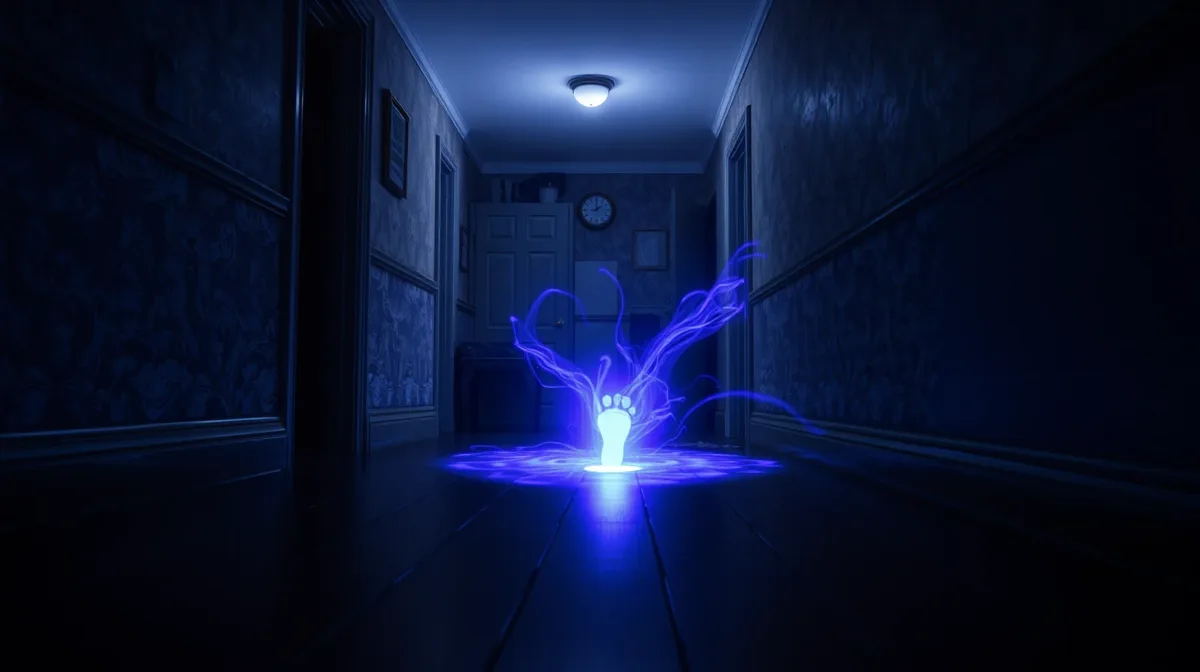
Sleepwalking Dream: How to Regain Control After This Nightmare?
Waking from a sleepwalking dream can leave you feeling disoriented and anxious. If you're troubled by visions of moving unconsciously through your world, breathe—you're not losing your mind. This guide will help you understand the fear and reclaim your sense of control.
Dreaming about sleepwalking typically represents feelings of being on autopilot or losing agency in your life. It's a common anxiety dream that surfaces during periods of high stress or major decisions. Your subconscious is sounding an alarm about areas where you feel disconnected from your actions.
Yet there's a deeper angle. This dream can also symbolize repressed desires trying to surface—like parts of you "walking" toward unmet needs without conscious permission. British psychologist Ian Wallace links it to situations where people follow routines blindly. For context on sleep disturbances, see our sleep dream hub. This duality shows sleepwalking as both a warning and an invitation to wake up to your true path.
Look at where this plays out. In your career, are you going through motions without passion? In relationships, are you avoiding difficult conversations? This dream pushes you to audit your daily patterns and reconnect with intentional living.
Dream Analysis & Interpretation
Deeper Psychological Analysis
Perspective-Shifting Question
What if the sleepwalking isn't about losing control, but about a part of you that knows exactly where it needs to go—and is moving there despite your conscious resistance?
Deeper Contexts: Analytical Lenses for Your Dream About Sleepwalking
The Neuroscience of Dissociation in Dreams
Source: Matthew Walker, sleep scientist and author of 'Why We Sleep'
Modern Analysis of Autopilot Dreams
Source: Lauri Loewenberg, certified dream analyst with 20+ years experience
What to Do Next: Rewriting the Dream's Ending
Since your dream revealed anxiety about loss of control, this technique empowers you to reshape that narrative.
- Recreate the scene: Recall the sleepwalking dream vividly—where were you, what did you feel?
- Pause time: Imagine freezing the dream at the moment you felt most helpless.
- Change the script: Visualize yourself becoming lucid, stopping, and asking, "Where am I going?"
- Find an ally: Picture a guide—a person, animal, or object—appearing to offer direction.
- End with power: Conclude the dream with you waking up in bed, feeling calm and in charge.
💡 Expert Tip:
Practice this before sleep; it can increase lucid dreaming chances and reduce nightmare recurrence.
What This Builds:
This builds neural pathways for assertiveness and crisis management, transferable to real-world decision-making.
Questions for Deeper Reflection
On a scale of 1-10, how present is this feeling of being on autopilot in your daily life? What would reduce it by one point?
When was the last time you felt fully conscious and deliberate in your actions? What allowed that awareness?
If this sleepwalking could lead you to one hidden truth, what would it be?
What Comes Next?
Frequently Asked Questions (FAQ)
What does it mean when you dream about sleepwalking?
It often symbolizes feeling on autopilot, losing control, or repressing desires in waking life. It's a psychological signal to reconnect with conscious intention.
Is dreaming about sleepwalking a sign of a sleep disorder?
Not necessarily; most times, it's metaphorical. However, if paired with real sleep issues, consult a doctor. Psychologically, experts like Lauri Loewenberg see it as stress-related.
Why do I keep having sleepwalking dreams during stressful periods?
Stress amplifies this dream as your subconscious processes overwhelm. It reflects fears of functioning unconsciously when demands exceed your capacity to stay present.
How is this different from dreaming about walking normally?
Sleepwalking emphasizes lack of control, while normal walking often represents progress or direction. Both involve movement but with different levels of awareness.



Comments and User Dreams
Be the first to share your dream or opinion!