
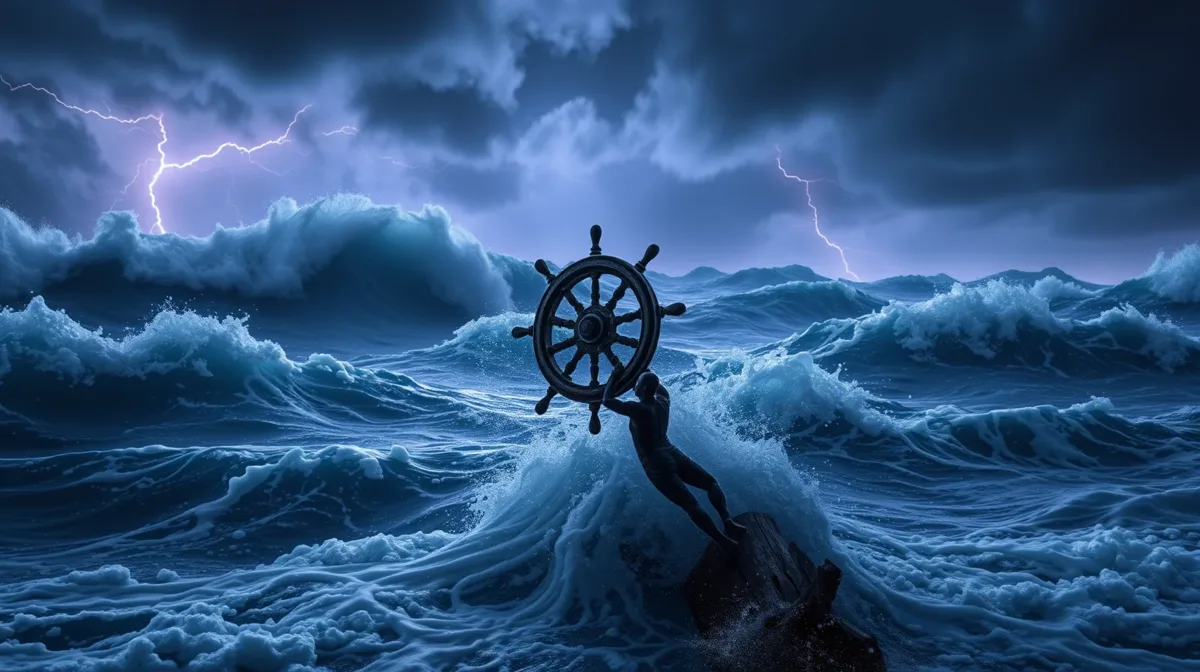
Storm at Sea Dream: How to Regain Control After This Nightmare
Waking from a dream of a storm at sea can leave you feeling utterly drained—as if you've been battling waves in your sleep. That sense of being tossed by uncontrollable forces, the fear of drowning in turmoil, is a raw signal from your subconscious. It's pointing to depths of emotion or situations where you feel adrift and powerless.
Dreams featuring a storm at sea typically symbolize profound emotional overwhelm, feelings of helplessness, or navigating through turbulent life changes. If you woke with anxiety or exhaustion, that's a natural response to the dream's intensity. These dreams often surge during periods of major transition, such as grief, relationship breakdowns, or career upheavals, where stability feels lost.
Psychologically, the sea represents the unconscious mind—vast, deep, and often mysterious. A storm on it amplifies this, suggesting that repressed emotions or unresolved issues are surfacing violently. As dream analyst Lauri Loewenberg might note, this is common when people face "sink-or-swim" scenarios in waking life. For context on storm symbolism, refer to the main page on storm dreams. This scenario resonates with dreams of loss of support and emotional suffocation.
Where in your life does this oceanic chaos mirror real struggles? Look at domains where you feel out of your depth—maybe in a new role at work, in processing a loss, or in a relationship with unpredictable currents. The dream isn't predicting disaster; it's highlighting where you need to find your inner anchor or seek support. Recognizing this overwhelm is the first step toward charting a calmer course.
Dream Analysis & Interpretation
Deeper Psychological Analysis
Your brain uses this dream as a simulation for managing extreme emotional states. By placing you in a storm at sea, it's rehearsing coping mechanisms for real-life crises—testing your resilience, problem-solving, and ability to stay afloat mentally. This symbolic practice can build emotional stamina for waking challenges.
Key Insight
Often, the storm isn't about the external chaos, but your internal response to it—the dream sea reveals how you handle feeling untethered and vulnerable.
Deeper Contexts: Analytical Lenses for Your Dream About a Storm at Sea
The Archetype of the Hero's Journey
Source: Joseph Campbell, mythologist and author of "The Hero with a Thousand Faces"
Campbell's monomyth often includes a storm at sea as a trial—the "belly of the whale" moment where the hero faces annihilation. In dreams, this can symbolize a personal initiation or transformation, urging you to confront deep fears to emerge renewed. It's not just suffering; it's a rite of passage toward growth.
Emotional Regulation in REM Sleep
Source: Matthew Walker, sleep scientist and author of "Why We Sleep"
Matthew Walker's research shows that REM sleep, when vivid dreams occur, helps process emotional memories. A storm at sea dream might be your brain's way of working through feelings of helplessness, integrating them so you can respond more calmly awake. This is therapeutic, not dysfunctional.
What to Do Next: Safety Anchor
Since your dream revealed feelings of being adrift, this technique helps you establish a psychological anchor to regain stability.
- Identify your anchor: Choose a real-life symbol of safety—a memory, a person, a mantra, or an object that makes you feel grounded.
- Visualize it in the storm: Close your eyes and recall the dream. Imagine your anchor appearing—a lighthouse, a life raft, or a calm voice—guiding you to calmer waters.
- Affirm your strength: Repeat a phrase like "I am steady" or "I can navigate this" as you visualize, linking the anchor to your resilience.
- Carry it forward: Keep a physical reminder of this anchor with you during the day, touching it when stress arises.
💡 Expert Tip:
Practice this visualization before bed; it can reduce nightmare intensity by reinforcing feelings of safety.
What This Builds:
This builds emotional grounding skills—creating a mental tool for self-soothing during crises, essential for mental health and resilience in high-pressure environments.
Questions for Deeper Reflection
On a scale of 1-10, how overwhelming does this feeling of being tossed by life's waves feel right now? What small anchor—a routine, a person, a belief—could stabilize you by one point?
When was the last time you navigated a "stormy" situation successfully? What inner resources did you discover?
If you could send a message to yourself in the middle of that sea storm, what one piece of advice would you give?
What Comes Next?
After using this technique, you might dream of soaring above turmoil symbolizing gained perspective, or if unresolved, dreams of isolation in chaos. Notice if the sea calms—it often reflects your progress in managing emotional waves.
Frequently Asked Questions (FAQ)
What does it mean to dream about a storm at sea during a breakup?
This often mirrors the emotional turbulence of separation—feeling lost, overwhelmed, or fearing you'll drown in grief. It's a subconscious processing of the relationship's end and the journey toward healing.
Is dreaming about a storm at sea a warning about real danger?
Rarely. It's usually symbolic, reflecting internal emotional states rather than predicting physical harm. However, if it causes extreme distress, it might signal need for support, not imminent peril.
How can I stop recurring dreams of storms at sea?
Address the underlying stressor. Techniques like the Safety Anchor or journaling about feelings of helplessness can help. Recurrence often diminishes as you gain control over the related waking-life issue.
What is the biblical meaning of a storm at sea in dreams?
In the Bible, storms at sea often test faith, like Jesus calming the storm. Dreaming of this can symbolize spiritual trials, urging trust in divine guidance or inner faith to weather life's challenges.






Comments and User Dreams
Be the first to share your dream or opinion!