
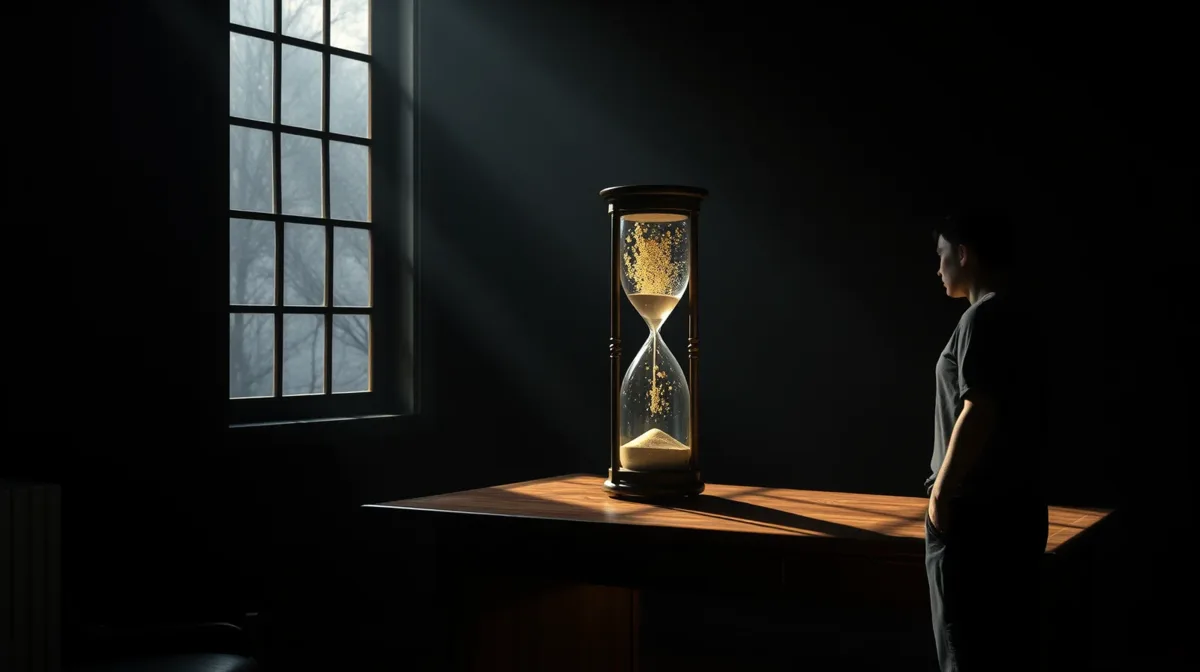
Dream About Present Time: What Is This Urgency Really About?
Waking from a dream where time feels intensely present can leave you with a lingering sense of urgency or disquiet. If you found yourself hyper-aware of each passing second, or if moments stretched unnaturally in your sleep, that unsettling feeling is a common signal. Your subconscious is highlighting something important about how you engage with the here and now. This guide will help you understand exactly what that emphasis means and why it's surfacing now.
Dreaming about the present time often acts as a psychological mirror, reflecting your immediate relationship with time itself. It typically symbolizes how you're processing current pressures, deadlines, or the fear of missed opportunities. This dream tends to emerge during life phases where decisions feel urgent or when you sense time slipping away without meaningful progress. The anxiety it triggers is natural—it's your mind's way of signaling that something in your waking life demands your focused attention or a shift in perspective.
From a broader analytical view, dreams centered on the present moment connect to the universal human experience of chronos versus kairos—linear, ticking-clock time versus the opportune, qualitative moment. While this dream can warn against procrastination or wasted potential, it equally invites a deeper embrace of mindfulness. Carl Jung noted that time symbols in dreams often relate to individuation, urging you to confront what is happening now to foster growth. As explored in the comprehensive guide to time dreams, this theme taps into deep archetypal currents about existence and presence.
To apply this insight, consider where in your life this urgency manifests most strongly. Is it in career projects with tight deadlines, relationship timelines feeling pressured, or personal goals where you feel behind? By identifying the domain—work, relationships, or self-development—you can pinpoint whether the dream calls for action, acceptance, or a release of unnecessary hurry. This reflection turns the dream from a source of stress into a tool for conscious choice and empowerment.
Dream Analysis & Interpretation
Deeper Psychological Analysis
This dream functions as an internal mirror, revealing your unconscious attitudes toward immediacy and engagement. It shows whether you're clinging to moments out of fear or letting them pass unacknowledged, highlighting patterns of presence or avoidance. By reflecting your real-time emotional responses, it offers a chance to align your conscious actions with deeper values.
Perspective-Shifting Question
What if this dream isn't about time running out, but about time finally arriving—an invitation to step fully into a moment you've been mentally avoiding?
Deeper Contexts: Analytical Lenses for Your Dream About Present Time
The Brain's Time-Keeping in Sleep
Source: Matthew Walker, sleep scientist and author of 'Why We Sleep'
Matthew Walker's research indicates that REM sleep, where vivid dreams occur, plays a key role in emotional memory processing. Dreams about present time may correlate with the brain's attempt to integrate urgent waking-life experiences, acting as a form of overnight therapy to regulate stress related to time pressure.
Modern Dream Analysis and Life Transitions
Source: Lauri Loewenberg, certified dream analyst with 20+ years experience
Dream analyst Lauri Loewenberg observes that time-focused dreams frequently spike during major transitions, such as career changes or relationship shifts, when individuals feel their competence or stability is under evaluation. The dream mirrors anxiety about performance and the need to act decisively in the current moment.
Temporal Archetypes in Human Consciousness
Source: Carl Gustav Jung, founder of analytical psychology
Jungian theory explores time as an archetype linked to the Self's journey toward wholeness. Dreams emphasizing the present can symbolize the tension between chronological constraints and the soul's timeless aspects, urging integration of shadow elements for psychological balance. For a deeper dive, explore Jung's archetypes in dreams.
What to Do Next: Rewriting the Dream's Ending
The urgency highlighted in your dream about present time stems from a perceived lack of control. This technique empowers you to reframe that anxiety by consciously altering the dream's narrative, symbolically reclaiming agency over time pressure.
- Recreate the scene: Recall the dream's key moment where time felt overwhelming. Note the setting, emotions, and any specific time-related symbols (e.g., a clock, a deadline).
- Pause the action: Imagine freezing the dream at its peak of urgency. Visualize everything stopping, giving you space to breathe and reassess.
- Introduce a new element: Add something or someone that represents support or calm—perhaps a guide, a tool, or a change in environment that reduces the time pressure.
- Craft a new outcome: Rewrite the ending so that you navigate the situation with confidence and clarity, perhaps by completing a task effortlessly or realizing the urgency was an illusion.
- Anchor the feeling: After visualizing, take a deep breath and note one real-life action you can take today that mirrors this empowered approach, such as prioritizing a single task mindfully.
💡 Expert Tip:
Practice this technique before bed to potentially influence recurring dreams, making you more lucid and able to shift the narrative mid-dream.
What This Builds:
This exercise builds mental flexibility and stress resilience by training your brain to perceive time pressures as manageable rather than threatening. It enhances decision-making under pressure, a skill valuable in high-stakes professional and personal contexts.
Questions for Deeper Reflection
On a scale of 1-10, how present do you feel in your daily activities? What small change could move you one point toward greater mindfulness?
When was the last time you felt completely at ease with the pace of your life, without rushing or delaying? What was different about that period?
If you could grant yourself permission to slow down one aspect of your life without consequences, what would it be, and why?
What Comes Next?
As you integrate this dream's insight, you might experience follow-up dreams symbolizing released pressure, such as expansive landscapes or calm streams. If the urgency persists, watch for dreams like frozen clocks or repeated lateness, indicating ongoing time-related anxiety that may need further attention.
Frequently Asked Questions (FAQ)
What does it mean to dream about present time during a stressful work period?
Dreaming about present time during work stress often reflects anxiety about deadlines or performance evaluation. It signals your subconscious processing of immediate pressures, urging you to address time management or reassess priorities to reduce overwhelm.
Is there a spiritual meaning to dreaming about the present moment?
Spiritually, this dream can symbolize a call to mindfulness or divine timing, encouraging you to trust the current phase of life. In biblical interpretation, it might relate to verses about "seizing the day" or God's perfect timing, though context is key for personal application.
How is dreaming about present time different from dreaming about the past or future?
While past dreams often process memories and future dreams explore anxieties or hopes, present-time dreams focus on immediate engagement with current realities. They highlight real-time emotional responses and actionable insights, unlike the reflective or anticipatory nature of other time-themed dreams.
Why do I keep having dreams where time feels distorted or too fast?
Recurring dreams of distorted time typically indicate persistent stress or a feeling of losing control in waking life. They may point to unresolved issues around productivity, aging, or life transitions, serving as a prompt to develop healthier time-perception habits.






Comments and User Dreams
Be the first to share your dream or opinion!