
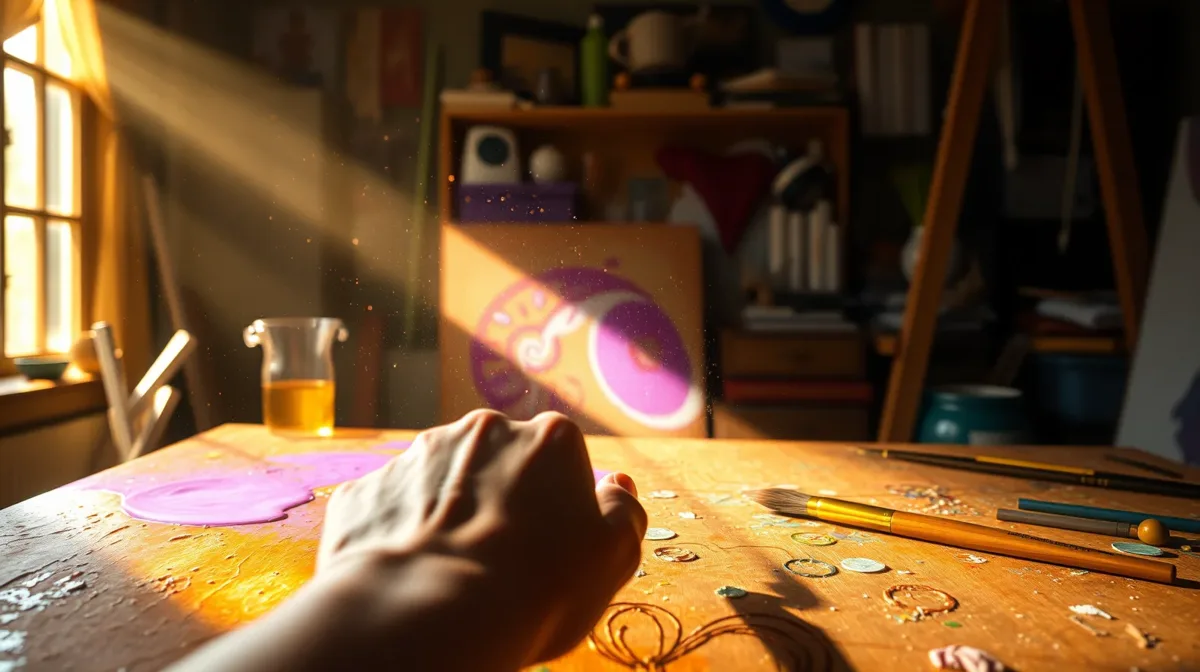
What Does It Mean When You Dream About Feeling Texture?
Waking from a dream where you're feeling textures—rough, smooth, sticky, or soft—can leave you with a vivid sensory memory that defies logic. That tactile impression, whether pleasant or unsettling, hints at a deeper layer of perception trying to break through. If this dream made you more aware of your surroundings or inner state, it's worth exploring its symbolic weight.
Dreams about feeling texture fundamentally relate to exploration, sensitivity, and the processing of experiences. At their core, they symbolize how you're "feeling out" situations, emotions, or aspects of yourself. You might wake curious or slightly disoriented, because this dream engages your sense of touch to convey abstract information. It's common during periods of learning, creativity, or when navigating uncertain environments, like starting a new job or relationship.
Psychologically, texture in a dream often serves as a metaphor for emotional or situational qualities. Ian Wallace suggests that texture dreams frequently occur when individuals are assessing reality or grappling with nuances. Duality is present: a soft texture like silk might indicate comfort or luxury, while a rough one like sandpaper could point to irritation or hardship. Understanding this range helps interpret your specific sensation, and it ties into the broader exploration of sensory experience in dreams.
To connect this to your life, ask: What are you "feeling out" right now? In your career, is a project smooth or fraught with friction? In relationships, are dynamics comfortable or abrasive? Or within yourself, are you sensing new emotional textures as you grow? The dream acts as a barometer for your experiential world. Paying attention can guide adjustments for greater ease or engagement.
Dream Analysis & Interpretation
Deeper Psychological Analysis
Perspective-Shifting Question
What if the texture you felt in the dream isn't just a surface, but a map to deeper layers of understanding waiting to be uncovered?
Deeper Contexts: Analytical Lenses for Your Dream About Feeling Texture
Sensory Integration in Dreaming
Source: G. William Domhoff, dream researcher and author of 'The Neuropsychology of Dreams'
Texture as Phenomenological Experience
Source: Maurice Merleau-Ponty, phenomenologist and author of 'Phenomenology of Perception'
What to Do Next: Sensory Awareness Journal
Since your dream involved feeling texture, heightening sensory awareness can unlock deeper insights from both dreams and waking life.
- Start a journal: Dedicate a notebook or digital note to texture observations. Each day, record one texture you encounter—e.g., the roughness of a sidewalk, softness of a blanket.
- Describe in detail: For each texture, write not just what it feels like, but what it evokes emotionally or metaphorically. For example, "The cold metal railing feels isolating, like a barrier."
- Connect to dreams: Before bed, review your journal and set an intention to notice textures in dreams. Upon waking, jot down any texture sensations from dreams immediately.
- Pattern spotting: After a week, look for patterns. Do certain textures correlate with specific moods or events? Use this to decode ongoing themes in your life.
- Apply insights: Use one texture insight to make a small change—e.g., if rough textures link to stress, incorporate smoother elements into your environment.
💡 Expert Tip:
This practice also improves dream recall by training your brain to pay attention to sensory details, making dreams more vivid and memorable.
What This Builds:
This exercise builds mindful observation—the skill to notice subtleties in experience, leading to better decision-making and creativity. By tracking textures, you enhance perceptual acuity, useful in fields like design, therapy, or any role requiring nuanced understanding of environments and emotions.
Questions for Deeper Reflection
On a scale of 1-10, how attuned are you to the subtle "textures" of your daily life—emotions, environments, interactions? What would help you notice one point more?
When was the last time you encountered a texture in reality that surprised or moved you? What did it teach you?
If the texture from your dream could describe a current life situation, what would it be and why?
What Comes Next?
Frequently Asked Questions (FAQ)
What does it mean to dream about feeling slimy textures?
Slimy textures in dreams often symbolize discomfort, deceit, or situations that feel "slippery" and hard to grasp. They may indicate distrust, moral unease, or aspects of life that feel unclean or manipulative, urging caution or cleansing.
Is dreaming about soft textures like pillows a good sign?
Generally, yes—soft textures like pillows suggest comfort, safety, or a need for rest. They often appear during times of stress as a subconscious invitation to self-care or when seeking emotional cushioning in relationships.
What does it mean if I dream about feeling textures I've never touched?
Dreaming of unfamiliar textures typically represents exploring new experiences, ideas, or emotions. It signals curiosity, adaptation, or the processing of novel aspects of your life, reflecting growth or uncertainty.
Why do texture dreams occur during creative projects?
Texture dreams often spike during creative work because they engage sensory brain regions tied to imagination. They help materialize abstract concepts, providing inspiration or feedback on projects, common among artists, writers, and innovators.





Comments and User Dreams
Be the first to share your dream or opinion!