
Dream About Wild Animals in a Zoo: What Is This Contained Chaos Telling You?
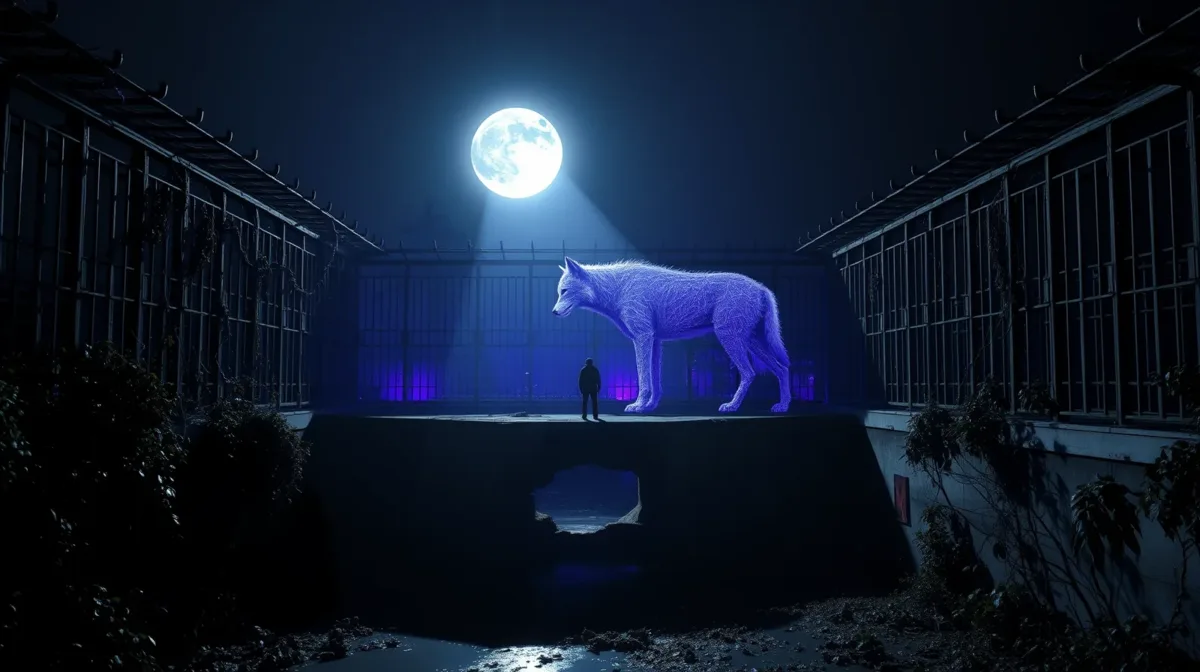
A zoo filled with wild animals—wolves, bears, big cats—carries a different charge than a petting zoo. The threat feels closer, the bars feel thinner. Waking from this dream, you're left with a simmering anxiety about control. Your subconscious is staging a confrontation with the untamed, potentially dangerous energies in your life, questioning if the structures holding them are strong enough.
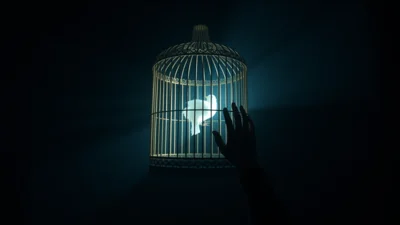
Dreaming of wild animals in a zoo represents your attempt to manage powerful, instinctual, or chaotic forces that you perceive as dangerous. These could be overwhelming emotions (like rage or passion), uncontrollable circumstances, or threatening people in your life. The zoo setting shows you're trying to contain and observe these forces from a safe distance, but the "wild" label indicates you doubt the containment will hold.
This dream often arises during times of high stress, conflict, or when you're repressing strong feelings. The wild animals are symbols of what you're afraid might "get out"—your temper in an argument, grief you're holding back, or a competitive urge at work. It's important to see this not just as a warning, but as your psyche's attempt to give form to formless fear. By putting the danger in a cage, your mind makes it something you can look at and assess. This is a critical, high-stakes variant within the world of zoo dreams.
The key question is: where is the "wild" pressing against the "civilized" in your life? Are you in a situation that demands extreme politeness while you feel like snarling? Is a part of your life (finances, health) feeling unpredictably volatile? The dream doesn't say the cage will break; it shows you the cage and asks you to check its integrity. Your feeling in the dream—terrified, fascinated, or responsible—tells you about your relationship to these primal forces.
Dream Analysis & Interpretation
Deeper Psychological Analysis
Key Insight
The most dangerous animal in the dream is often the one you're refusing to acknowledge as part of yourself.
Deeper Contexts: Analytical Lenses for Your Dream About Wild Animals in a Zoo
Shadow Projection and Management
Source: Carl Gustav Jung, founder of analytical psychology
Amygdala Activation and Threat Assessment
Source: Matthew Walker, sleep scientist and author of 'Why We Sleep'
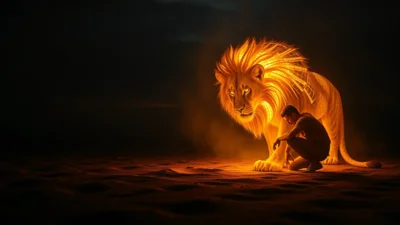
What to Do Next: Dialogue with Shadow
The anxiety here comes from fearing your own wildness. This technique helps you transform that fear into understanding by engaging, not fleeing.
- Choose your animal: From the dream, select the wild animal that elicited the strongest reaction. Imagine it in its cage.
- Set a safe space: In your mind, ensure you are safe (e.g., behind strong glass). Acknowledge your fear aloud: "I see you, and I am safe to look."
- Ask three questions: Mentally ask the animal: 1. "What do you want?" 2. "What are you protecting me from?" 3. "What do you need from me?"
- Listen for impressions: Don't force words. The answer may come as a feeling, an image, or a sudden knowing. A growl might mean "respect," not "attack."
- Offer a token: Symbolically offer something to improve its enclosure—not to free it yet, but to acknowledge its presence. This could be mental imagery of more space, cleaner water, or shade.
💡 Expert Tip:
This dialogue works because it shifts your relationship with the feared energy from adversarial to curious. You're not fighting the shadow; you're learning its language.
What This Builds:
This exercise develops emotional courage and conflict resolution skills. By practicing inner dialogue with feared aspects, you build the neural pathways to stay calm and curious during external conflicts, whether in heated debates, negotiations, or personal confrontations. It's foundational for emotional regulation and leadership under pressure.
Questions for Deeper Reflection
Which wild animal frightened you the most? What one word describes the quality of that fear (e.g., piercing, crushing, sneaky)?
Where in your body do you feel tension when you think about a current stressful situation? Does it match the "body" of one of the dream animals?
If you had to release one wild animal from its cage to be your ally, which would you choose? What problem could that animal's energy help you solve?
What Comes Next?
Frequently Asked Questions (FAQ)
What does it mean to dream about wild animals in a cage?
Dreaming of wild animals in cages symbolizes your attempt to control powerful, instinctual, or threatening forces within yourself or your environment. It reflects anxiety about these primal energies—such as anger, passion, or chaos—breaking free from the restraints you or society have placed upon them.
Is a dream about a zoo with dangerous animals a warning?
It can be a psychological warning, not a literal one. It warns that pressures are building and your current methods of containment (suppressing emotions, avoiding conflict) may be nearing their limit. It's a call to proactively address the source of the tension before it feels uncontrollable.
What does dreaming of wolves in a zoo mean?
Wolves in a zoo often represent your pack mentality, loyalty, or fierce protective instincts that feel confined. It may point to a social or family situation where your natural instincts to belong or defend are being stifled by rules or circumstances, causing internal friction and a sense of being "caged in" with your own tribe.
Why do I have this dream when I'm under a lot of stress?
Stress activates the primal, survival-oriented parts of your brain. The dream translates that abstract feeling of being overwhelmed into the concrete image of dangerous animals needing containment. It's your mind's way of visualizing the stress, making it something you can "see" and therefore potentially manage, rather than a vague, consuming anxiety.
Comments and User Dreams
Be the first to share your dream or opinion!