
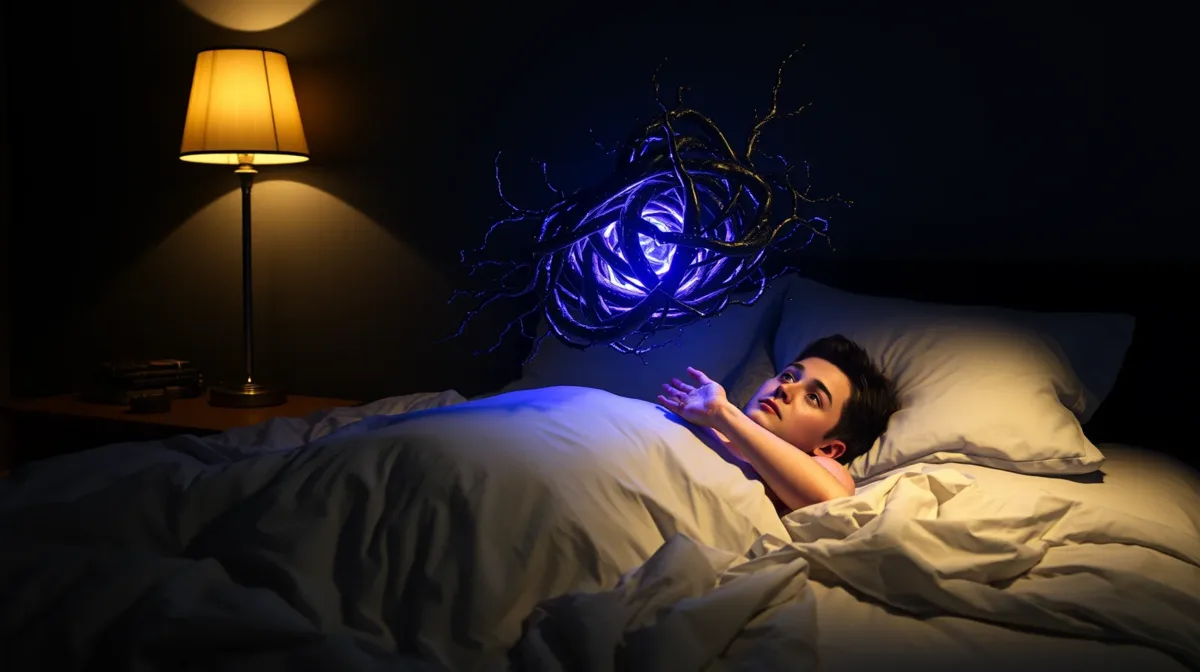
Dream About Demon Possession: What Is This Fear of Losing Control Really About?
Waking from a dream of demonic possession can leave you feeling violated and powerless. Your heart races, a cold sweat clings—this isn't just a bad dream; it's a psychological alarm. You're not going mad. This guide will help you decode the urgent message your subconscious is sending about autonomy and fear.
Dreams of being possessed by a demon typically represent a profound fear of losing control over your own thoughts, actions, or identity. If you woke up feeling invaded or helpless, that's a natural response to a symbol that touches our deepest anxieties about self-determination. This dream often emerges during periods of high stress, major life transitions, or when you feel pressured to conform against your will.
From a Jungian perspective, the demon can symbolize the shadow—the parts of yourself you reject or fear. Being "possessed" might indicate that these denied aspects are erupting into consciousness, demanding integration rather than suppression. This connects to the broader theme of demon dreams, where such figures often mirror internal conflicts projected outward.
Consider where in your life you feel your autonomy is compromised. Is it at work, in a relationship, or within your own mind? The dream isn't predicting actual possession but highlighting areas where you feel your agency is under threat. By recognizing this, you can start to reclaim your power and set healthier boundaries.
Dream Analysis & Interpretation
Deeper Psychological Analysis
This dream acts as a mirror, reflecting your inner struggle with aspects of yourself that feel foreign or threatening. It's not about literal demons but about psychological forces—like repressed anger, shame, or dependency—that seem to "take over" when you're under pressure.
Perspective-Shifting Question
What if the "demon" isn't an external force, but a part of yourself you've disowned and labeled as evil?
Deeper Contexts: Analytical Lenses for Your Dream About Demon Possession
Jungian Shadow Integration
Source: Carl Gustav Jung, founder of analytical psychology
Jung taught that the shadow contains rejected traits we deem unacceptable. A possession dream may signal that these traits are surfacing, urging integration for wholeness. This process, detailed in shadow work, is key to psychological health.
Cultural Archetypes of Possession
Source: Joseph Campbell, mythologist and author
Across cultures, possession narratives often symbolize loss of individual will to collective or divine forces. In modern dreams, this can reflect anxiety about societal pressures or losing oneself in group dynamics.
What to Do Next: Rewriting the Dream's Ending
Since your dream revealed a fear of lost control, this technique helps you symbolically reclaim agency.
- Recreate the scene: Briefly write down or visualize the moment of possession in your dream. Note the setting and your emotions.
- Pause time: Imagine freezing the dream at the peak of fear. Give yourself a moment to breathe and assess.
- Change the script: Visualize turning to face the "demon" without fighting. Ask it, "What do you represent?"
- Find an ally: Picture a symbol of your strength—like light or a trusted figure—appearing to support you.
- End with power: Create a new ending where you integrate the message and walk away empowered.
💡 Expert Tip:
If the dream recurs, this mental rehearsal can make you lucid, allowing conscious choice during the dream.
What This Builds:
This exercise builds neural pathways for assertiveness and boundary-setting, transferring symbolic courage to real-world situations where you feel overwhelmed.
Questions for Deeper Reflection
On a scale of 1-10, how present is this feeling of losing control in your waking life? What would need to happen to reduce it by one point?
When was the last time you felt completely in charge of your decisions? What was different then?
If you could give a voice to the "demon" in your dream, what would it say it wants from you?
What Comes Next?
Frequently Asked Questions (FAQ)
What does it mean spiritually to dream about demon possession?
Spiritually, this dream often symbolizes a struggle with negative influences or a call to strengthen your faith and boundaries. In biblical contexts, it can reflect spiritual warfare, but psychologically, it's more about internal conflicts.
Is dreaming about demon possession a sign of mental illness?
No, it's not a sign of mental illness. Such dreams are common stress responses, reflecting anxiety about control. If concerned, consult a professional, but the dream itself is a normal psychological process.
Why do I keep having demon possession dreams during stressful times?
Recurring possession dreams often spike under stress because your subconscious uses vivid symbolism to process feelings of helplessness. They're a signal to address sources of pressure in your life.
How is demon possession different from turning into a zombie in dreams?
Both involve loss of self, but possession implies an external force taking over, while zombification often reflects numbness or conformity. Each highlights unique aspects of autonomy fears.

Comments and User Dreams
Be the first to share your dream or opinion!