
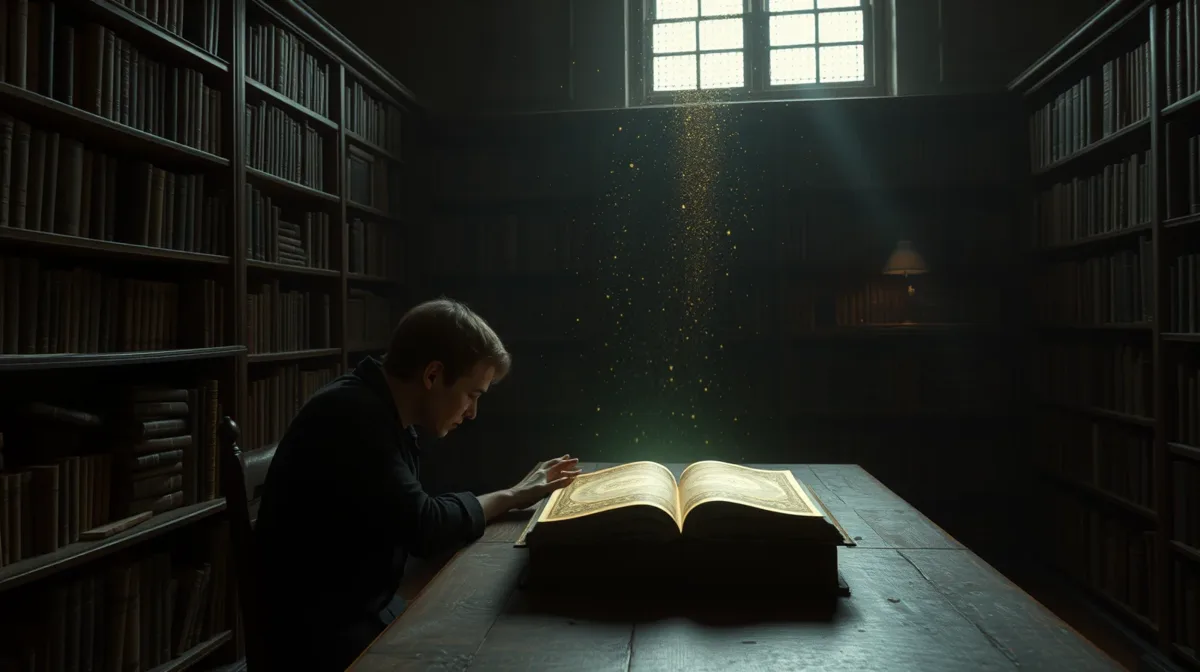
Talking to Demon Dream: How to Understand This Terrifying Conversation
Waking from a dream where you spoke to a demon can leave you shaken, questioning your sanity or safety. If your heart raced as you recalled the words exchanged, know this: you're experiencing a profound psychological signal, not a supernatural threat. This guide will help you decode that conversation, understand why it's happening, and find peace.
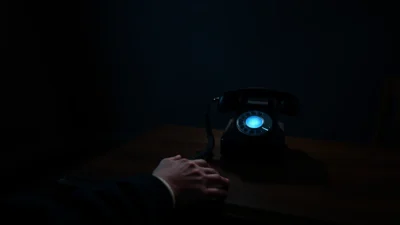
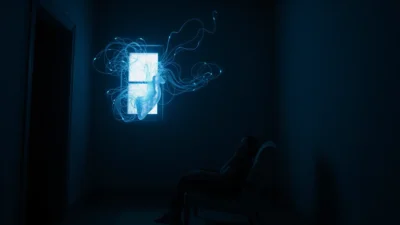
Dreaming about talking to a demon typically represents a confrontation with a suppressed, rejected, or "shadow" aspect of yourself—something you view as evil, dangerous, or taboo. It's natural to feel deep fear or revulsion; your mind is using extreme imagery to get your attention about a vital inner conflict. This dream often surfaces during periods of moral dilemma, intense guilt, or when you're denying a powerful truth about your desires or actions.
From a psychological perspective, this dialogue is your psyche's attempt at integration. While demon figures in dreams broadly symbolize the shadow self, the act of talking shifts it from a passive threat to an active messenger. As Jungian analyst Marie-Louise von Franz noted, engaging with such figures in dreams can signal readiness to acknowledge hidden parts of the personality. However, the tone matters: a civil exchange might indicate negotiation with a difficult trait, while a threatening one could reflect feeling overpowered by a destructive impulse.
To apply this, ask yourself: where in your waking life do you feel this internal debate? Is it about a relationship choice, a career compromise, or a secret you're keeping? The dream isn't predicting doom; it's highlighting where you feel divided, urging you to listen to what you've been silencing.
Dream Analysis & Interpretation
Deeper Psychological Analysis
Perspective-Shifting Question
What if the demon isn't an enemy to destroy, but a disowned part of yourself that's desperate to be heard?
Deeper Contexts: Analytical Lenses for Your Dream About Talking to a Demon
Jungian Shadow Integration
Source: Carl Gustav Jung, founder of analytical psychology
Archetypal Dialogue Across Cultures
Source: Joseph Campbell, mythologist and author of 'The Hero with a Thousand Faces'
What to Do Next: Dialogue with Shadow
Since your dream revealed a split within, this technique helps you consciously engage with that disowned part to reduce fear and gain insight.
- Set a safe space: Find a quiet moment to write or speak aloud. Imagine the demon figure from your dream is present, but you control the environment.
- Ask open questions: Start with, "What do you want me to know?" or "Why are you here now?" Write down whatever comes to mind without censoring.
- Listen for the core message: Look past the frightening imagery. Is there a need, a warning, or a truth being expressed? Often, it relates to unacknowledged anger, fear, or desire.
- Find common ground: Respond with, "I hear you. How can we work together?" This shifts the dynamic from conflict to collaboration.
- Integrate the insight: Identify one small action you can take in waking life to address the underlying issue, like setting a boundary or admitting a feeling.
💡 Expert Tip:
If fear arises, remind yourself this is a symbolic exercise—you're dialoguing with a part of your own psyche, not an external entity.
What This Builds:
This practice builds emotional regulation by teaching you to face internal conflicts directly, reducing anxiety and increasing self-awareness—a skill crucial for leadership, therapy, and personal growth.
Questions for Deeper Reflection
What one sentence from the demon's dialogue sticks with you most, and what real-life situation does it echo?
On a scale of 1-10, how much do you judge or fear the part of yourself this demon represents? What would help reduce that by one point?
If this conversation led to a truce instead of a threat, what new possibility might open up in your life?
What Comes Next?
Frequently Asked Questions (FAQ)
What does it mean spiritually to dream about talking to a demon?
Spiritually, this dream can symbolize confronting inner darkness or moral testing, not literal evil. In biblical frameworks, experts like Doug Addison note it may reflect spiritual warfare or soul-level conflicts needing resolution.
Is talking to a demon in a dream a bad omen?
No, it's rarely a prediction. Psychologically, it signals unresolved inner tension—often about guilt, hidden desires, or repressed emotions. It's an invitation to self-awareness, not a curse.
Why do I keep dreaming about conversations with demons?
Recurring dialogue dreams suggest a persistent inner conflict you're avoiding. Dream analyst Lauri Loewenberg links this to cycles of guilt or denial in relationships or career choices.
How is talking to a demon different from dreaming of the devil?
While both involve dark figures, devils often represent temptation or external evil, whereas demons in dreams more commonly symbolize personal shadow aspects—traits you reject in yourself.

Comments and User Dreams
Be the first to share your dream or opinion!