
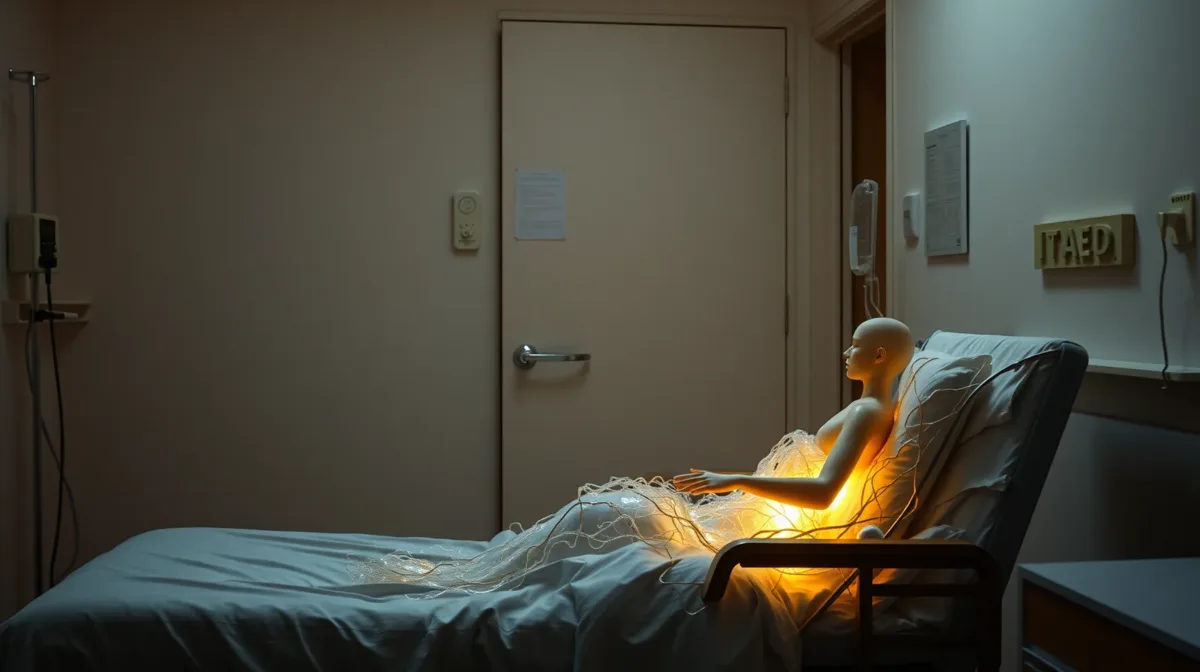
Dream About Visiting a Patient: What Is This Burden Telling You?
This dream leaves a quiet, heavy feeling. The sterile smells, the hushed tones, the sight of someone you care for in a vulnerable state—it can cling to you all day. You might wake with a sense of duty, worry, or unresolved sadness. This visit isn't random. Your subconscious is guiding you to look at a relationship or a part of yourself that feels fragile, needy, or in need of your attention.
Dreaming of visiting a patient in a hospital often symbolizes your relationship to caretaking, vulnerability, and obligation. The patient typically represents something in your life—or a part of yourself—that feels weak, sick, neglected, or in crisis. You are in the role of the visitor, which can highlight feelings of responsibility, helplessness, or even guilt about not being able to "fix" the situation. This dream commonly surfaces when a friend or family member is genuinely ill, but more often, it reflects psychological states: a struggling project, a dying dream, or your own inner child feeling abandoned.
Consider the duality. Visiting can be an act of compassion, but it can also feel like a burden. The dream might be asking: Are you giving care freely, or out of duty? Are you neglecting your own needs to tend to someone else's? From the perspective of modern dream experts like Ian Wallace, such dreams frequently appear in people who are natural caregivers but are reaching a point of emotional exhaustion. The hospital setting, as a nexus of healing and crisis, frames this dynamic. This specific scenario is a key branch of hospital dreams, where the focus shifts from your own internal crisis to your relationship with crisis in others.
Look at your waking life. Who or what is the "patient"? It could be a friend going through a hard time, a creative project you've put on life support, or your own physical health taking a backseat. The dream urges you to assess the balance of give-and-take. Are you draining your energy reserves? Or perhaps you're avoiding visiting a difficult emotional truth? The act of showing up in the dream, even reluctantly, shows a part of you knows attention is required. The next step is to decide what form that attention should realistically take.
Dream Analysis & Interpretation
Deeper Psychological Analysis
Key Insight
Often, the patient you're visiting isn't another person—it's a neglected version of yourself, waiting for you to finally sit down and ask how it's really doing.
Deeper Contexts: Analytical Lenses for Your Dream About Visiting
The Caregiver Archetype and Burnout
Source: Lauri Loewenberg, certified dream analyst with 20+ years experience
The Wounded Healer
Source: Greek Mythology / Carl Jung, archetype symbolized by Chiron the centaur
What to Do Next: The Compassionate Boundary Map
This dream points to blurred lines between care and obligation. This technique helps you define healthy emotional boundaries.
- Identify the Patient: Name the person, project, or inner part that feels like the "patient" in your life.
- List Your Resources: Write down what you're currently giving: Time? Emotional energy? Money? Practical help?
- Assess Your Reserves: For each resource, note your current level (Full, Half, Near Empty). Be brutally honest.
- Define the Limit: For one over-extended resource, decide on a clear, specific limit. Example: "I will listen to this friend's troubles for 30 minutes, twice a week, and not outside those times."
- Communicate to Yourself: Write a simple, kind sentence to yourself affirming this boundary. "My care is valuable, and I protect my energy to give it sustainably."
💡 Expert Tip:
Setting a boundary isn't a rejection; it's a structure that makes genuine care possible without resentment. It's the difference between a visit and a prison sentence.
What This Builds:
This practice builds essential emotional intelligence skills: self-awareness, assertiveness, and sustainable relationship management. Leaders and therapists use similar mapping to prevent burnout and maintain effective, compassionate presence. You're learning to care without collapsing.
Questions for Deeper Reflection
In my waking life, who or what feels like it's on "life support" and needs my constant attention?
If my visit in the dream was graded on a scale of 1-10 for genuine compassion versus sense of duty, what score would it get?
What would happen if I admitted I don't have the capacity to help this "patient" right now?
What Comes Next?
Frequently Asked Questions (FAQ)
What does it mean to dream about visiting a sick person in the hospital?
This dream typically reflects your real-life role as a caregiver or supporter. The "patient" symbolizes something vulnerable that demands your attention—a person, a project, or even a part of yourself. The dream explores your feelings about this responsibility, potential guilt, and your own emotional reserves.
Does this dream mean someone I know will get sick?
Almost never. It's a symbolic, psychological dream. It uses the universal imagery of sickness and care to comment on dynamics in your waking life. It's about emotional or situational "sickness," not a prediction of physical illness.
What if the patient in my dream is someone who has passed away?
Visiting a deceased person in a hospital often symbolizes unfinished emotional business or ongoing grief. The hospital setting may represent your mind's attempt to "heal" the memory of the relationship or process the loss in a new way. It suggests a part of you is still visiting that relationship internally.
Is it a bad sign if I feel dread or want to leave in the dream?
Not at all. Those feelings are key data. They likely mirror how you feel about a caregiving situation in waking life. The dread signals overwhelm, resentment, or a sense of obligation that's draining you. The dream is highlighting that disconnect so you can address it.





Comments and User Dreams
Be the first to share your dream or opinion!