
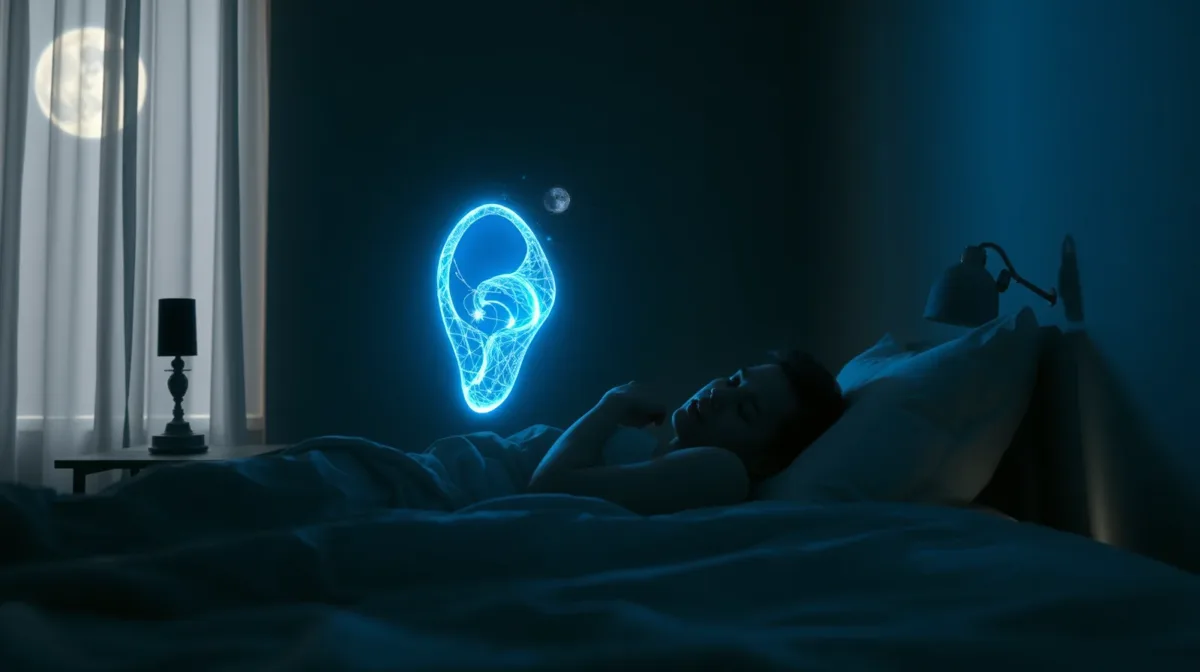
Dream About Hearing Voices: What Is This Fear Trying to Tell You?
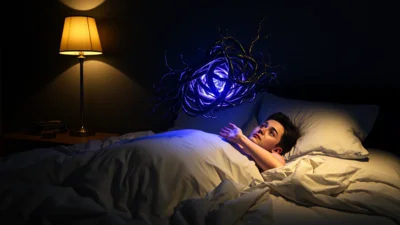
Waking from a dream where voices speak can leave you feeling disoriented and anxious. If you checked the room, wondering if it was real, you're not alone. This dream taps into deep fears of loss of control or unseen threats. Here, we'll unpack what those voices might represent and how to find clarity.
Dreaming about hearing voices typically points to internal conflict or unacknowledged thoughts pushing to the surface. It's your mind's way of amplifying parts of yourself that you've silenced or overlooked. The anxiety you feel is a normal response to this sudden intrusion into your mental space.
On one level, this dream can act as a warning about ignoring your intuition or inner wisdom. Voices might symbolize repressed emotions, unresolved guilt, or external pressures you're internalizing. From a Jungian perspective, they could represent aspects of your shadow self—parts you've disowned but that demand attention. This connects to the broader exploration of listening in dreams, where auditory symbols often reveal subconscious messages.
In your waking life, consider where you feel unheard or where conflicting thoughts clash. Are you facing a decision with opposing voices in your head? Or perhaps external opinions, like from family or work, are becoming internalized noise. Recognizing this can help you distinguish between helpful guidance and distracting chatter.
Dream Analysis & Interpretation
Deeper Psychological Analysis
This dream serves as a psychological mirror, reflecting fragmented parts of your psyche. Hearing voices often indicates a lack of integration between conscious thoughts and unconscious desires. Your mind uses auditory symbols to make the intangible—like inner turmoil—feel more concrete and urgent.
Perspective-Shifting Question
What if the voices aren't threatening you, but trying to return a piece of yourself you've lost?
Deeper Contexts: Analytical Lenses for Your Dream About Hearing Voices
The Brain's Nighttime Processing
Source: Matthew Walker, sleep scientist and author of 'Why We Sleep'
Matthew Walker's research shows that REM sleep processes emotional experiences, sometimes creating vivid sensory impressions like voices. This isn't dysfunction but your brain's way of managing stress or unresolved thoughts. For more on managing distressing dreams, explore Dr. Michelle Carr's nightmare transformation techniques.
Jungian Archetypes and the Shadow
Source: Carl Gustav Jung, creator of analytical psychology
Jung taught that voices in dreams can symbolize archetypal figures or the shadow—repressed aspects of personality. Engaging with these voices through active imagination, as Robert Johnson's guide explains, can lead to psychological integration and wholeness.
What to Do Next: Dialogue with Shadow
Since your dream revealed unintegrated parts of yourself, this technique helps you reclaim agency by engaging with those voices.
- Set a safe space: Find a quiet moment and imagine the voice from your dream. Don't judge it; just acknowledge its presence.
- Ask a question: Silently or in writing, ask the voice: "What do you want me to know?" Wait for an intuitive response.
- Listen without fear: Note any words, images, or feelings that arise. This isn't about literal answers but symbolic insights.
- Find common ground: Identify one thing you and this voice agree on—perhaps a shared concern or desire.
- Integrate the message: Decide on one small action based on this dialogue, like journaling or setting a boundary.
💡 Expert Tip:
If anxiety spikes, ground yourself by naming three things you can see, hear, and touch in the present moment.
What This Builds:
This exercise builds emotional regulation skills by teaching you to engage with internal conflicts constructively, reducing anxiety and enhancing self-awareness in daily decisions.
Questions for Deeper Reflection
On a scale of 1-10, how loud are the conflicting thoughts in your waking life? What would need to happen to lower that volume by one point?
When was the last time you felt completely at peace with your inner dialogue? What was different then?
If these voices had a positive intention for you, what might they be trying to say?
What Comes Next?
After addressing voice dreams, you might dream of silent screaming as suppressed emotions surface, or feeling peaceful if integration occurs. In waking life, watch for synchronicities like overhearing meaningful conversations or feeling more attuned to your intuition.
Frequently Asked Questions (FAQ)
What does it mean to dream about hearing voices spiritually?
Spiritually, hearing voices in dreams can symbolize divine guidance, ancestral messages, or inner wisdom. In biblical interpretation, it might reflect God's voice or spiritual warfare. Always discern with prayer and context.
Is dreaming about hearing voices a sign of mental illness?
No, dreaming about voices is common and rarely indicates mental illness. It typically symbolizes subconscious thoughts or emotional noise. If concerned, consult a professional, but dreams alone aren't diagnostic.
Why do I keep dreaming about hearing whispers?
Recurring whisper dreams often point to persistent ignored intuition or subtle fears. Dream analyst Lauri Loewenberg notes they're common during life transitions when internal conflicts are heightened.
How is hearing voices different from sleep paralysis?
Hearing voices in dreams occurs during REM sleep, while sleep paralysis involves waking hallucinations. Both can feel real, but sleep paralysis includes physical immobility and often intense fear.


Comments and User Dreams
Be the first to share your dream or opinion!