
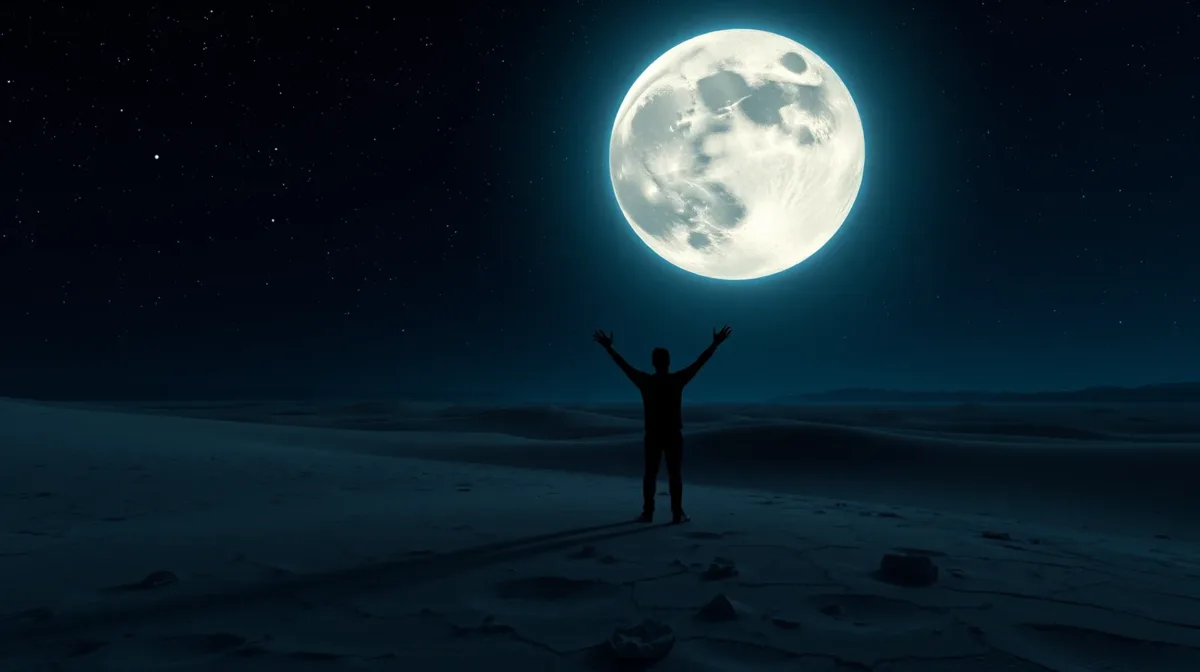
What Does It Mean When You Dream About the Moon?
Dreams about the moon can leave you feeling captivated, mysterious, or even unsettled. Waking with its image lingering in your mind, you might sense a connection to something larger than daily life—a pull toward intuition, cycles, or the unseen. This is a deeply human experience. The moon has haunted our myths and minds for ages, symbolizing the subconscious, femininity, and the rhythmic flow of existence. If you're here seeking clarity, you've recognized that this dream is more than a random image; it's a message from your inner world, waiting to be understood.
The moon in dreams operates on two key levels: as a universal archetype and as a personal echo. Archetypally, it represents cycles, intuition, and the unconscious—concepts Carl Jung explored deeply, linking it to the anima or feminine principle. Across cultures, from ancient lunar deities like Selene to astrological beliefs, the moon governs tides, emotions, and hidden truths. Personally, your moon dream echoes specific rhythms in your life, whether it's emotional highs and lows, creative bursts, or periods of reflection. Dream function varies: it might act as a warning during times of neglect, a compensation when logic overrules feeling, or an integration tool for processing change. For instance, a full moon often signals culmination, while a crescent moon hints at beginnings, showing how the phase refines the message.
Historically, the moon's symbolism is rich and cross-cultural. In Egyptian mythology, Thoth was a moon god of wisdom; in Hinduism, Chandra drives lunar cycles; and in folklore, werewolves and madness tie to full moons, reflecting humanity's awe and fear of its power. Modern psychology builds on this, with experts like Lauri Loewenberg noting moon dreams spike during life transitions—career shifts, relationship changes, or identity explorations. This blend of ancient reverence and personal relevance makes moon dreams a potent diagnostic tool. They don't predict fate but mirror your internal weather, urging you to align with natural rhythms rather than fight them.
Consider the specific variant to decode your dream's precision. A red moon might scream crisis or transformation, a two moons could highlight duality in choices, and a moon falling may warn of stability loss. Each twist, like a giant moon amplifying intuition or a moonlit night aiding navigation, adds layers to the core symbolism. By examining these details, you move from vague wonder to targeted insight, seeing how your subconscious uses lunar imagery to process everything from daily stress to spiritual awakening.
This interpretation isn't mystical guesswork; it's a psychological framework for self-discovery. Your moon dream acts as a mirror for your emotional tides, a simulator for life's uncertainties, and a language for metaphors your waking mind might miss. It helps you discern whether you're in a phase of growth, crisis, or integration. Below, explore the exact context of your dream to unlock its tailored meaning and turn symbolic confusion into actionable clarity.
Discover the full meaning of your dream
What was the moon's phase or appearance?
Dream About a Full Moon
See this if the moon was completely round and bright, signaling culmination or peak awareness.
Dream About a Crescent Moon
Read this for a thin, waxing or waning moon, representing beginnings or potential.
Dream About a Red Moon
Choose this if the moon had a red hue, often linked to crisis or intense emotion.
Dream About Two Moons
Explore this for dreams with dual moons, highlighting duality or conflicting choices.
Dream About a Giant Moon
See this if the moon appeared oversized, symbolizing amplified intuition or overwhelm.
What was happening to or with the moon?
Dream About the Moon Falling
Read this if the moon was dropping or crumbling, indicating loss of stability or control.
Dream About Seeing the Moon
Choose this for passive observation of the moon, representing introspection or clarity.
Dream About a Moonlit Night
Explore this for dreams set under moonlight, symbolizing navigation through uncertainty.
Frequently Asked Questions (FAQ)
What does it generally mean to dream about the moon?
Dreaming about the moon typically symbolizes cycles, intuition, and your subconscious mind. It reflects emotional tides, hidden feelings, or life phases, acting as a mirror for inner rhythms. The specific meaning depends on details like phase or context, so explore variants for precision.
Is dreaming about the moon a spiritual sign?
In many spiritual traditions, the moon represents intuition, femininity, and connection to the divine. Dreams of the moon can signal a call to introspection or alignment with natural cycles, but they're more about psychological insight than supernatural messages. For deeper spiritual angles, consider full moon dreams or moonlit nights.
Why do I keep having moon dreams?
Recurring moon dreams often occur during life transitions, emotional processing, or times when you're neglecting your intuitive side. They might highlight unresolved cycles or the need for reflection. Dream analyst Ian Wallace notes such patterns emerge when people face identity shifts or decision-making.
How is a full moon dream different from a crescent moon dream?
A full moon dream usually signifies culmination, peak awareness, or completion, while a crescent moon dream points to beginnings, potential, or early growth. Both tap into lunar symbolism, but the phase shifts the focus from achievement to incubation. Explore full moon and crescent moon for details.
Are red moon dreams a bad omen?
Red moon dreams aren't necessarily bad omens; they often symbolize transformation, intense emotions, or crises that demand attention. While they can warn of danger, they also invite growth through necessary endings. For a nuanced view, see red moon dreams to understand the duality.
Can moon dreams help improve my intuition?
Yes, moon dreams can act as tools to enhance intuition by highlighting subconscious patterns and emotional cycles. They encourage you to trust inner guidance and reflect on hidden insights. Practices like journaling about these dreams can strengthen intuitive muscles over time.
Share your dream or opinion
Other variations of this dream
Dream About Crying
Dreams about crying can shake you to your core. Waking up with the echo of sobs or the sting of tears isn't just confusing—it feels deeply personal. If you're here, heart heavy or mind racing, know this:...
Dream About a Wolf
Waking from a dream about a wolf can leave you with a mix of emotions—perhaps fear, curiosity, or a sense of awe. If your heart was racing or your mind is buzzing with questions, you're experiencing something...
Dream About Water
Dreams about water leave a unique residue. You might wake up feeling cleansed and calm, or gasping with the memory of a flood. This fluid element—so essential to life—becomes a mirror for your inner world...
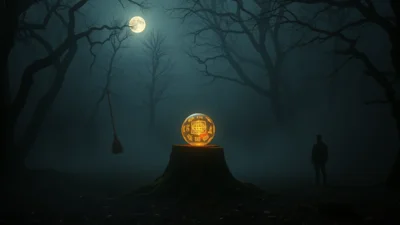
Dream About a Witch
Dreams featuring witches can leave you feeling anything from terrified to exhilarated. If you woke up with your heart pounding after a confrontation with a malevolent figure, or perhaps buzzing with creative...
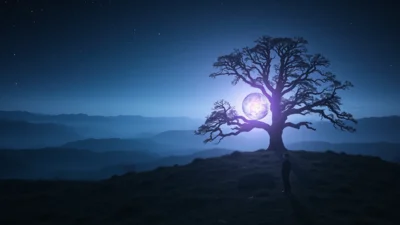
Dream about Night
Dreams about the night often leave a strong emotional imprint—a blend of mystery, anxiety, and deep introspection. If you woke from such a dream feeling unsettled, curious, or even fearful, you're not...
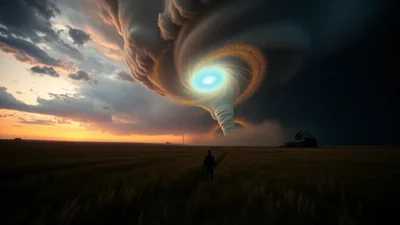
Dream About Tornadoes
Waking from a tornado dream can leave you feeling shaken, as if your world is spinning out of control. The raw fear of chaos invading your stability is a deeply human experience, and if you're here, you're...
Comments and User Dreams
Be the first to share your dream or opinion!