
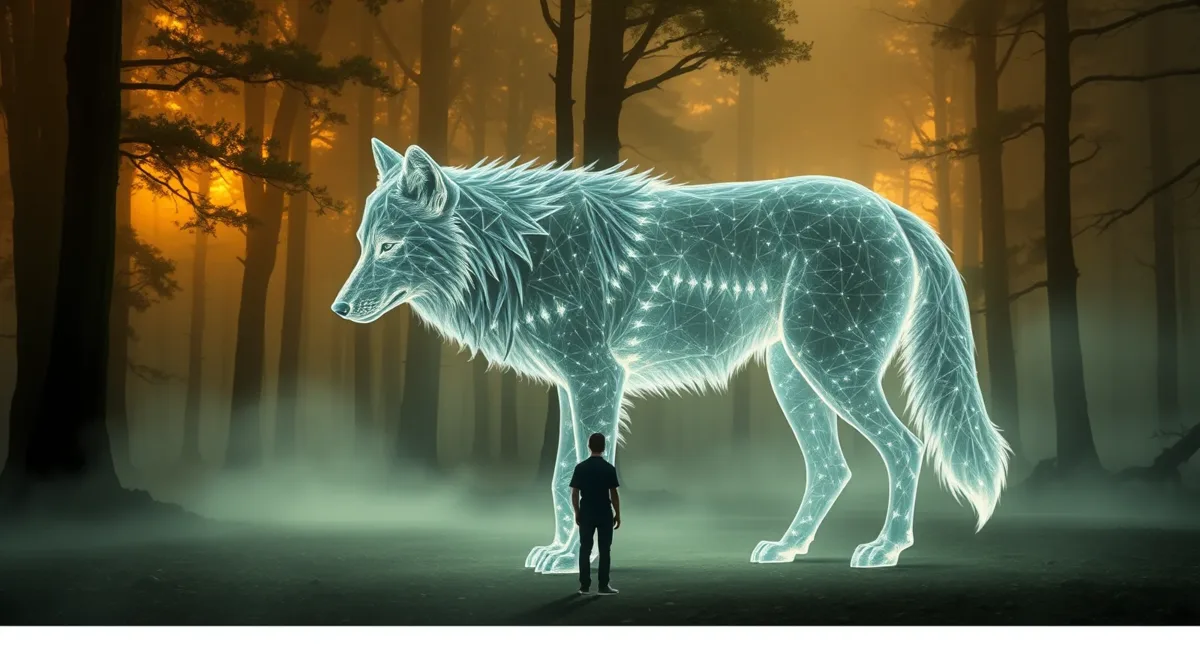
What Does It Mean When You Dream About a Wolf?
Waking from a dream about a wolf can leave you with a mix of emotions—perhaps fear, curiosity, or a sense of awe. If your heart was racing or your mind is buzzing with questions, you're experiencing something deeply human. Wolf dreams tap into primal parts of our psyche, and that unsettling feeling is your subconscious trying to communicate. You're in the right place to decode that message.
In dream analysis, the wolf operates on two levels: as a universal archetype and as a personal echo. The archetype represents instinct, wildness, social bonds, and the shadow self—concepts explored by Carl Jung. Your personal echo reflects how these traits manifest in your life, whether through conflicts, desires, or unacknowledged strengths. Culturally, wolves have been revered and feared; from Native American traditions where they are teachers, to European folklore where they symbolize danger. This dream can serve as a warning about external threats, compensation for lacking assertiveness, or integration of repressed parts. For instance, a wolf attack dream often signals feeling threatened, while a friendly wolf might indicate protective instincts awakening. Dream analyst Lauri Loewenberg notes that wolf dreams frequently emerge during life transitions, urging you to embrace your power.
The historical and cultural layer adds depth. In ancient Rome, the wolf was a symbol of nurturing and foundation, as seen in the myth of Romulus and Remus. Across shamanic practices, wolves guide souls through spiritual realms. This universal reverence shows how the wolf bridges the natural and supernatural, reflecting humanity's dance with untamed forces. In modern psychology, wolves in dreams symbolize not just danger but the raw energy needed for growth and transformation.
From a Jungian perspective, the wolf often embodies the shadow—the parts of yourself you reject but need to integrate for wholeness. This is key in dreams like turning into a wolf, where transformation signals reclaiming personal power. The dream's function shifts based on context: it might be a warning about real-life threats, as in wolves chasing you, or compensation for feelings of isolation, hinted in wolf howling. Understanding this duality helps you see beyond surface fear.
What's telling about wolf dreams is their timing. They often surface during periods of change—career shifts, relationship strains, or personal identity crises. For example, a black wolf dream might emerge when confronting hidden fears, while a white wolf could appear during spiritual seeking. By linking the symbol to your life context, you turn abstract imagery into actionable insight. This isn't about predicting the future; it's about diagnosing your inner landscape.
This dream interpretation tool isn't a collection of mystical guesses. It's a precise psychological diagnostic. It will help you determine whether your wolf dream was an archetypal warning, an echo of unprocessed emotions, or a signal for necessary internal change. Below, explore the specific context of your dream to unlock its precise meaning and apply that wisdom to your waking life.
Discover the full meaning of your dream
What was the wolf's behavior?
Dream about a Wolf Attack
See this if the dream felt threatening or violent.
Dream About Being Chased by a Wolf
Read this if you felt pursued by a wolf in the dream.
Dream About a Wolf Biting
Explore this if the wolf caused physical harm in the dream.
Dream about a Wolf Howling
Check this if the dream focused on the wolf's voice or sound.
What was the wolf's appearance or color?
How did you interact with the wolf or wolves?
Dream About a Friendly Wolf
Explore this if the wolf was protective or benevolent.
Dream about a Pack of Wolves
See this if multiple wolves were present, focusing on group dynamics.
Dream About Wolves Chasing You
Read this if you were chased by a pack of wolves.
Frequently Asked Questions (FAQ)
What does it mean to dream about a wolf?
Dreaming about a wolf typically symbolizes instincts, wildness, and social dynamics. It often reflects your relationship with personal power, fear, or untapped parts of yourself. The meaning varies based on context—explore specific variants like wolf attack or friendly wolf for precise insights.
Is dreaming about a wolf a bad omen?
Not necessarily. While wolves can represent threats, they also symbolize protection, wisdom, and transformation. In psychology, such dreams are more about internal processes than external predictions. For example, a white wolf might indicate spiritual guidance, not danger.
Why do I keep dreaming about wolves?
Recurring wolf dreams often signal unresolved issues with assertiveness, fear, or social bonds. They may emerge during life transitions, such as career changes or relationship shifts. Dream analyst Lauri Loewenberg links this to periods where your instincts are calling for attention—dive deeper into variants like pack of wolves for clarity.
What is the spiritual meaning of a wolf dream?
Spiritually, wolf dreams can represent guidance, intuition, and connection to primal wisdom. In many traditions, wolves are seen as teachers or protectors. The spiritual meaning depends on details; for instance, a howling wolf might relate to communication with the divine or inner voice.
How do different colors of wolves change the dream's meaning?
Color adds nuance: a black wolf often points to the shadow self or hidden fears, while a white wolf symbolizes purity or higher guidance. These variations show how the subconscious tailors symbols to your personal journey—explore black wolf and white wolf for specific interpretations.
What does it mean if the wolf is friendly vs. aggressive?
A friendly wolf suggests protective instincts or alignment with your authentic self, whereas an aggressive wolf may warn of external threats or internal conflicts. This duality is key in wolf dreams; for deeper analysis, see friendly wolf versus wolf attack.
Are wolf dreams common during major life changes?
Yes, wolf dreams frequently spike during transitions like job changes, breakups, or identity shifts. They act as psychological mirrors, helping process fear and power dynamics. For instance, turning into a wolf often correlates with personal transformation phases.
Share your dream or opinion
Other variations of this dream
Dream About Bears
Dreams about bears can stir a primal mix of awe and unease. If you woke up with your heart pounding or your mind racing over the encounter, you're not alone. This symbol taps into something ancient within...
Dream About Being Chased
Dreams about chasing—whether you're fleeing or pursuing—often leave you with a raw, unsettled feeling. If you've woken up with your heart pounding, a sense of dread, or an urgent need to escape, you're...
Dream About a Forest
You wake with the feeling of having been somewhere important. The trees still linger behind your eyes—their height, their silence, the way light broke through the canopy. A forest dream doesn't fade quickly....
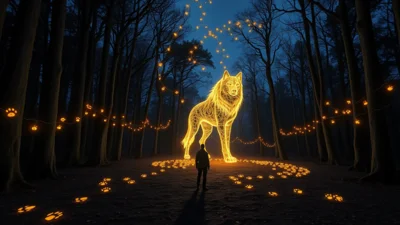
Dream About Dogs
Dreams about dogs can leave a powerful emotional echo. You might wake up feeling comforted by a protective presence or deeply unsettled by a sudden bite. This range of feelings is completely normal. The...

Dream About Family
Dreams about family have a way of sticking with you. Maybe you woke up feeling warmth from a happy reunion. Or maybe your heart raced after a heated argument. Either way, these dreams tap into something...
Dream About Screaming
Waking from a screaming dream can leave you feeling shaken, vulnerable, or even terrified. Your heart might race, your breath catch, as if the threat from your sleep has leaked into reality. This is a...
Comments and User Dreams
Be the first to share your dream or opinion!