
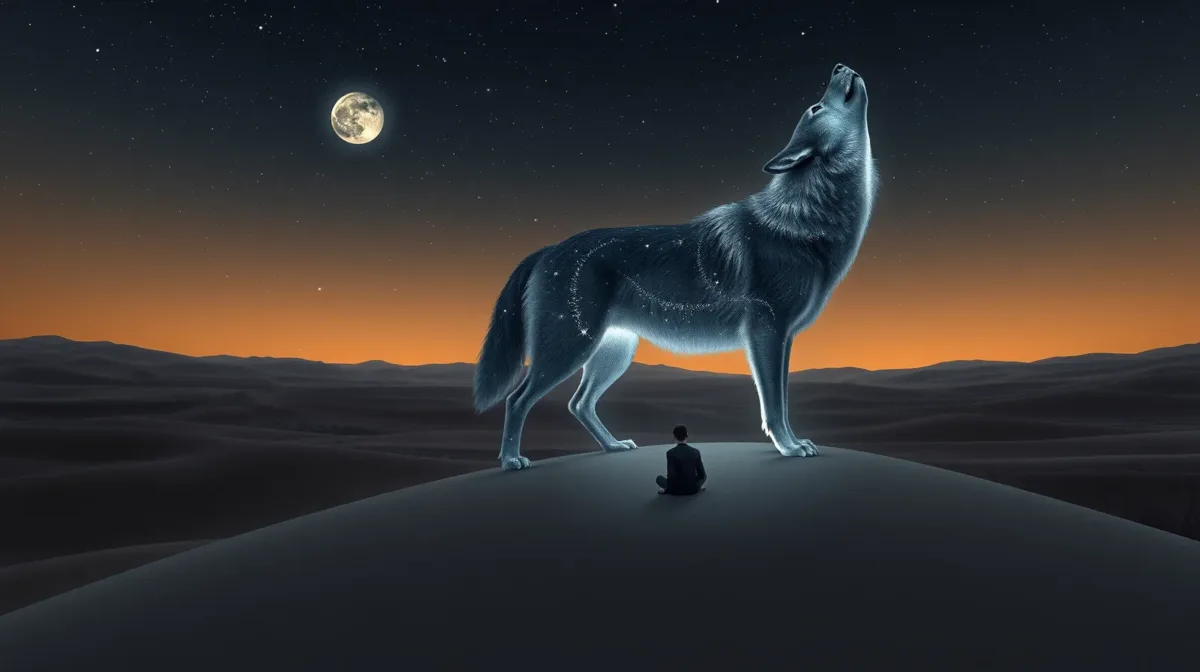
Dream About a Wolf Howling: What Is This Lonely Sound Really About?
A wolf howling dream can linger with a sense of melancholy or awe. If you woke feeling introspective or stirred, this guide explores the deep message behind this vocal symbol of connection and solitude.
A wolf howling in dreams often represents communication, loneliness, or a call to express something unspoken. It's a common symbol during times of isolation or when you're grappling with feelings that need voicing. This dream echoes your inner need to be heard or connect.
Yet, there's a duality: the howl can also signify warning or celebration, depending on context. In wolf dream interpretations, sound adds an emotional layer—it's not just the animal but its voice that matters. British psychologist Ian Wallace notes that auditory dreams like howling often relate to unmet emotional needs or spiritual calls.
Where is this howl resonating in your life? In your creative work, urging you to share your art? In relationships, highlighting a desire for deeper dialogue? By listening to this dream, you're tuning into parts of yourself that crave expression. It's a prompt to find your voice or acknowledge solitude.
Dream Analysis & Interpretation
Deeper Psychological Analysis
This dream uses the howl as a metaphor for emotional expression, translating subconscious urges into symbolic sound to bridge inner feelings with outward communication.
Key Insight
Often, the howl isn't a cry of pain but a song of existence—reminding you that your voice matters, even in silence.
Deeper Contexts: Analytical Lenses for Your Dream About a Wolf Howling
Auditory Processing in Dreams
Source: Matthew Walker, sleep scientist and author
Walker's research shows that auditory dreams, like howling, involve brain regions processing sound and emotion during REM sleep. This dream may help regulate feelings of isolation or enhance social bonding simulations.
Howling in Cultural Lore
Source: Folklore Traditions, stories and beliefs across cultures
In many traditions, wolf howls are omens or messages—from Native American signaling to European myths of transformation. This adds depth, suggesting the dream connects you to ancestral or communal calls.
What to Do Next: Letter to the Past
Since your dream highlighted a need for expression, this technique helps process lingering emotions by writing them out, turning howls into words.
- Write uncensored: Address a letter to the source of your loneliness or unvoiced feelings—a person, situation, or even yourself. Write 2-3 pages freely.
- Imagine a response: Pause and envision a reply. What would it say? Often, it offers forgiveness or permission to move forward.
- Choose a ritual: Decide how to close the letter—burn it, bury it, or keep it sealed. Make it a conscious act of release.
- Reframe the narrative: Complete this sentence: "This howl taught me that..." to find meaning in the expression.
💡 Expert Tip:
This works for non-obvious losses too, like lost opportunities or silenced passions, helping vocalize what's been muted.
What This Builds:
This exercise builds emotional closure and narrative reframing skills. By converting symbolic howls into written words, you practice articulating complex feelings, enhancing communication and resilience in real-life challenges.
Questions for Deeper Reflection
What unspoken feeling or thought is the howl trying to express for you?
Where in your life do you feel most heard, and where do you feel silent?
If you could howl one message to the world, what would it be?
What Comes Next?
After this release, you might dream of harmonious music or conversations as expression flows. If stuck, crying dreams could indicate ongoing emotional backlog.
Frequently Asked Questions (FAQ)
What does it mean to dream about a wolf howling?
It often symbolizes a need for communication, expression of loneliness, or a spiritual call. The howl reflects emotions that are seeking voice, whether in personal relationships or inner dialogue.
Is a wolf howling dream a sign of sadness?
Not necessarily; while it can indicate melancholy or isolation, it also represents connection and warning. The dream's context—like the howl's tone or your reaction—determines if it's about grief or alertness.
Why do I hear howling in my dreams?
Auditory dreams like howling process emotional sounds from waking life, such as unspoken words or social cues. They help integrate feelings of separation or the need to communicate.
How can I respond to a wolf howling dream?
Reflect on areas where you feel unheard. Practice expressing yourself through journaling, art, or conversation, using the dream as a catalyst to find your voice and connect with others.





Comments and User Dreams
Be the first to share your dream or opinion!