

Dream About Talking to Dead: What Is This Pain Trying to Tell You?
Waking from a dream where you speak with someone who has passed can stir deep sorrow, longing, or even fear. If you felt their presence vividly, your heart might be heavy with unprocessed grief or unanswered questions. This guide will help you understand this emotional encounter and find meaning in the message.
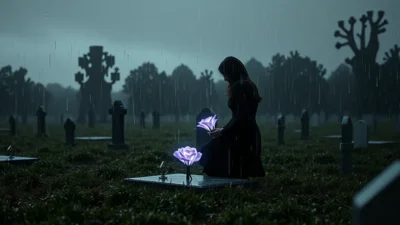
Talking to the dead in a dream typically represents your psyche's effort to process loss, seek closure, or integrate memories. It's a natural response to grief, not a supernatural omen. You might feel shaken or comforted, both valid reactions when facing such raw emotion.
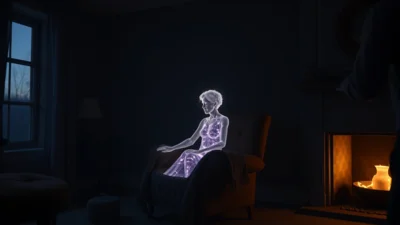
From a duality perspective, this dream can be a healing dialogue or a sign of stuck grief. Dream analyst Lauri Loewenberg notes that these conversations often peak during anniversaries or life transitions. In the context of communication dreams, it highlights the need to express what was left unsaid. For example, chatting with a grandmother might reflect a desire for wisdom, while a ghost could symbolize lingering guilt or love.
In your waking life, consider where this dialogue points to unfinished business. Are you avoiding grief in a relationship or career change? The dream urges you to acknowledge feelings, perhaps through journaling or talking to a friend, to move forward with peace.
Dream Analysis & Interpretation
Deeper Psychological Analysis
Key Insight
Often, the dead in dreams aren't predicting the future—they're mirroring parts of yourself that feel lost or unresolved, inviting you to reclaim them.
Deeper Contexts: Analytical Lenses for Your Dream About Talking to Dead
Modern Grief Processing
Source: Lauri Loewenberg, certified dream analyst with 20+ years experience
Existential Confrontation
Source: Irvin Yalom, existential psychiatrist and author
What to Do Next: Letter to the Past
Since your dream revealed unfinished emotional business, this writing exercise helps close the loop and foster healing.
- Write uncensored: In a quiet space, write a letter to the deceased person from your dream. Express everything left unsaid—love, anger, apologies, or questions—for 2-3 pages without editing.
- Imagine a reply: Visualize receiving a response. What would they say? Often, it's forgiveness or permission to move on, reflecting your own inner wisdom.
- Closing ritual: Decide what to do with the letter: burn it safely, bury it, or keep it in a special box. This act symbolizes conscious closure.
- New narrative: Complete the sentence: "This loss taught me that..." to reframe the experience positively.
💡 Expert Tip:
This technique also works for non-death losses, like ended relationships or abandoned dreams, by addressing any form of grief.
What This Builds:
This exercise builds emotional closure skills, essential for healthy transitions and reducing rumination, while fostering self-compassion and narrative resilience.
Questions for Deeper Reflection
What was the main emotion during the conversation—peace, regret, or something else?
On a scale of 1-10, how much unresolved grief do you carry? What would reduce it by one point?
If you could ask one more question to the deceased in your dream, what would it be, and why?
What Comes Next?
Frequently Asked Questions (FAQ)
What does it mean biblically to dream about talking to a dead person?
Biblical interpretations vary; some view it as a spiritual message or warning, while others see it as a natural grief process. It's often advised to test such dreams against scripture and seek pastoral guidance.
Is dreaming about talking to the dead a bad omen?
No, it's generally not a bad omen. Psychologically, it's a common way to process loss and rarely predicts future events. Focus on the emotional message rather than fear.
Why do I have this dream during pregnancy or major life changes?
During transitions like pregnancy, talking to the dead often symbolizes grappling with identity shifts or ancestral connections, reflecting anxiety about new roles or legacy.
How is talking to the dead different from seeing a ghost in a dream?
Talking implies active communication and processing, while seeing a ghost might indicate passive haunting by memories. Both relate to grief, but dialogue suggests a healthier engagement with loss.




Comments and User Dreams
Be the first to share your dream or opinion!