
Dream About Dead Grandmother: How to Find Peace After This Visitation
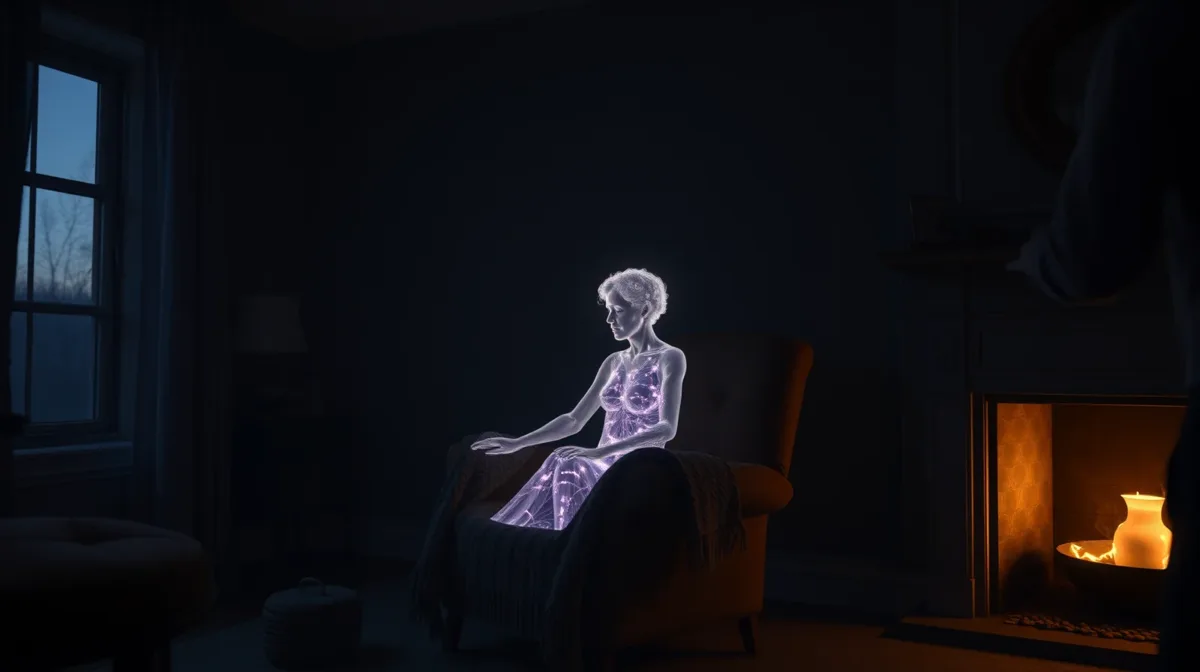
Waking up from a dream about your dead grandmother can leave you breathless—your heart racing, tears fresh on your cheeks, a strange mix of comfort and ache swirling in your chest. That feeling matters. It's a sign that the bond you shared doesn't end with death. This dream isn't random; it's your subconscious weaving grief, memory, and unresolved emotion into a visit that feels almost real. This guide will help you understand what your grandmother is trying to communicate, why now, and how to carry the message forward.
When your deceased grandmother appears in a dream, she often brings a message of reassurance or unfinished business. For many, these dreams are a way for the psyche to process loss, offering a space where grief meets comfort. The emotional tone—peaceful, urgent, or even scary—shapes the meaning. If she seemed happy and healthy, it may be your mind's way of telling you she's at peace. If she appeared distressed, you might be carrying unresolved guilt or worry about her passing. These dreams tend to surface during anniversaries, holidays, or moments when you need guidance. This specific dream context is a key branch of grandmother dream meanings, where the grandmother figure acts as a bridge between the conscious and unconscious.
Yet there's another layer. These dreams can also be what Jung called big dreams—visitations from the collective unconscious where the deceased represent the wise old woman archetype. She may appear to deliver insight you're not ready to hear in waking life. Consider the possibility that your grandmother is a symbol of your own inner wisdom, appearing when you need to reconnect with your roots or tap into ancestral strength. As dream analyst Lauri Loewenberg observes, dreams about deceased loved ones often spike when we face major transitions—career changes, relationship shifts, or identity crises. The dream isn't just about her; it's about what she represents: unconditional love, time-tested resilience, or a legacy you're now carrying.
This dream asks you to consider where you are in your grieving process. Are you still holding onto regret? Did you say everything you needed to say? The grandmother in your dream may be prompting you to complete a cycle—whether that's forgiving yourself, writing a letter, or honoring her memory in a tangible way. Pay attention to the setting and your interaction. Was she cooking? Did she speak? These details reveal whether your subconscious is urging you to embrace nurturing self-care or to confront a buried truth. Your dream is not predicting death—it's inviting you to heal the relationship with loss itself. Awareness is the first step; action is where you reclaim your power.
Dream Analysis & Interpretation
Deeper Psychological Analysis
Perspective-Shifting Question
What if your grandmother isn't visiting to warn you, but to remind you that love transcends death? Perhaps the dream isn't about goodbye—it's about hello in a new form.
Deeper Contexts: Analytical Lenses for Your Dream About Dead Grandmother
The Archetypal Wise Woman
Source: Carl Gustav Jung, founder of analytical psychology
Dreams as Emotional Processing
Source: Matthew Walker, sleep scientist and author of 'Why We Sleep'
What to Do Next: Letter to the Past
Since your dream brought your grandmother's presence to the surface, it's a sign she—or what she represents—still has something to offer you. This technique helps complete any unfinished emotional business and turn the dream into a source of closure.
- Write uncensored: Take a notebook and write a letter to your grandmother. Pour out everything: what you miss, any guilt, words of love. Don't edit—just write until you feel empty.
- The response from the other side: Switch seats. Imagine you are her, holding your letter. What would she say back? Write that response. Often it brings forgiveness, acceptance, or permission to move forward.
- Closing ritual: Decide what to do with the letters. Burn them, bury them, or keep them. The act of consciously releasing them to the universe is what matters.
- New narrative: Complete this sentence: "This loss taught me that..." Write down the insight your dream revealed.
💡 Expert Tip:
If the dream repeats, try speaking out loud to a photo of her before bed. It sets an intention for a clearer dream conversation.
What This Builds:
This exercise strengthens emotional closure skills essential for navigating grief and major life transitions. By processing the symbolic connection, you rewire neural pathways associated with rumination, freeing energy for new attachments and growth.
Questions for Deeper Reflection
If you could say one thing to your grandmother right now, what would it be? Is there anything left unsaid?
What qualities did your grandmother have that you admire or miss? Where do those qualities show up in your own life?
On a scale of 1-10, how much peace do you feel about her passing? What would need to happen to move that number up by one?
What Comes Next?
Frequently Asked Questions (FAQ)
What does it mean when you dream about your dead grandmother alive?
Seeing your deceased grandmother alive often symbolizes your psyche's attempt to reverse loss or process denial. It can also mean her wisdom or nurturing presence is needed in your current life situation. The dream may be inviting you to embody her best qualities.
Is dreaming about a dead grandmother a visitation?
Culturally, visitation dreams are reported by many who believe the deceased can communicate through dreams. Psychologically, these dreams are vivid emotional rehearsals that help integrate grief. Both perspectives can coexist; what matters is the comfort or insight you take away.
Why do I keep dreaming about my dead grandmother crying?
A crying grandmother figure may reflect your own unexpressed sorrow or guilt. It could also indicate worry that you're not living up to her expectations. Use the shared grandmother dream hub to compare similar dream patterns and find deeper connections.
Does dreaming about a dead grandmother mean she is watching over me?
Many spiritual traditions view such dreams as signs of protection and guidance. From a psychological angle, the grandmother archetype represents inner wisdom and unconditional love—so in a sense, the feeling of being watched over is a projection of your own inner caretaker.
What does it mean if my dead grandmother doesn't speak in the dream?
Silence can be as meaningful as words. A quiet grandmother may indicate that the message is non-verbal—an emotion, a memory, or a presence. It can also reflect your own hesitation to hear what she (or your subconscious) might say.




Comments and User Dreams
Be the first to share your dream or opinion!